

Listening to TMZ’s Podcast on Dale Earnhardt

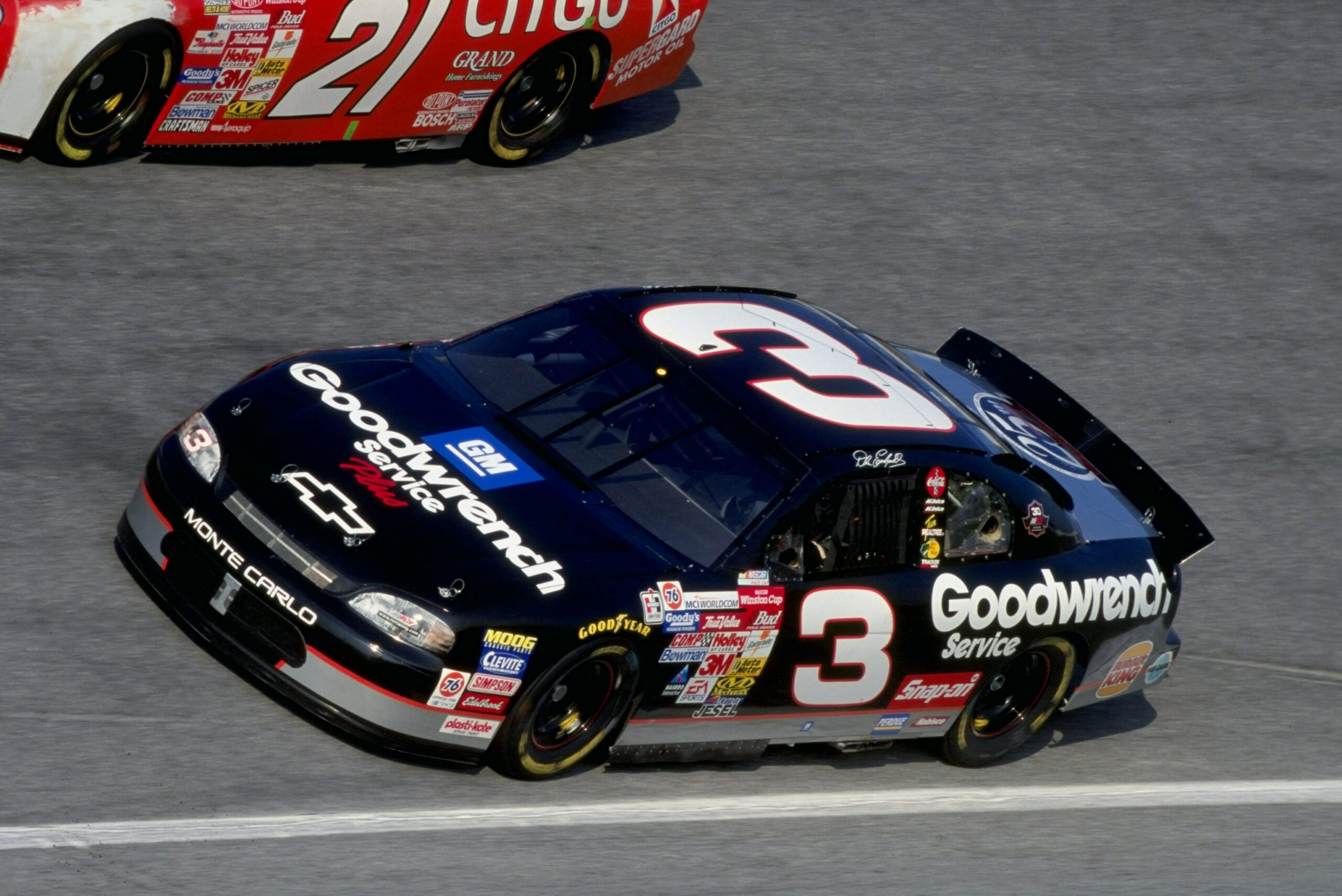
10 Feb 1999: Dale Earnhardt #3 races his car during the Daytona 500 Speedweek at the Daytona International Speedway in Daytona, Florida. Mandatory Credit: David Taylor /Allsport
Jason Beckerman and Derek Kaufman dissected the last day and the aftermath of the last day of Dale Earnhardt's life in the podcast "Last Days" by TMZ. While Dale Earnhardt's death is a story NASCAR fans either lived through or have heard told multiple times, this podcast provides a lot of interesting context to the story that may have been lost in the shuffle to some during the years.

Jason Beckerman and Derek Kaufman dissected the last day and the aftermath of the last day of Dale Earnhardt’s life in the podcast “Last Days” by TMZ. While Dale Earnhardt’s death is a story NASCAR fans either lived through or have heard told multiple times, this podcast provides a lot of interesting context to the story that may have been lost in the shuffle to some during the years.

The Lead-up To and the Day of

To start off, Beckerman and Kaufman take some time going through the story of how Earnhardt died. It is a story that has been told countless times, but they give some background to the situation.

Thay play an interview from MRN had with Earnhardt prior to the race, and they talk some about Earnhardt’s opinions on the recent safety push for NASCAR. One of the most important things about this day is that, while Earnhardt’s death pushed safety changes further forward, it was already on people’s minds. Three drivers had passed away from the same injury, a basilar rink skull fracture, with those drivers being Adam Petty, Tony Roper and Kenny Irwin Jr.

As for what happened after the tragic incident, they give the insights of Dale Earnhardt Jr. and Kenny Schrader’s initial reactions to the crash. Schrader was the first one on the scene after the crash taking Earnhardt’s window net down. Earnhardt Jr. sprinted straight to the infield care center and the hospital afterwards.

Beckerman and Kaufman offer specific quotes from the two about their immediate thoughts, not what they said to the media in the immediate aftermath. It was interesting insight that I had personally never heard before.

The Immediate Aftermath

The fallout from the crash was far more than just the impact on the sport, Beckerman and Kaufman even go into some legal fallout from the crash. They dig into the forensics report that was released following the crash. It’s well-documented that Earnhardt died from a basilar ring skull fracture, but Beckerman and Kaufman talk about what specifically caused it.

That was interesting to hear because the main thing I had always heard was just about the skull fracture. I did not know what specifically caused that skull fracture other than that the car went fast into a wall and stopped suddenly.

The most interesting tidbit was the legal fallout. Dale Earnhardt’s death was so public that the release of certain records actually turned into a legal battle between Theresa Earnhardt and the release of pictures of Dale at the time of his death. While this was also news to me, the most interesting thing was that the result of this case actually changed the way that the release of certain records to the public after people passed away.

This all is something that was completely new to me. I never knew that the release of these things were actually a part of a legal battle. It’s not uncommon for this to be a point of contention when famous people pass away, but the fact that the fallout of Dale Earnhardt’s death literally changed the law is fascinating.

Long-Term Aftermath

The safety improvements in the aftermath have made impacts on the sport to this very day. That is discussed by Beckerman and Kaufman, but the lesser-known thing they discuss is how some fans reacted to the death of Earnhardt.

People tried to point fingers at who was potentially responsible. However, people both close to Earnhardt and within the sport came to defend some of these individuals who were criticized as as Beckerman and Kaufman discuss.

This was tough to listen to just because Earnhardt’s death was in no-way the fault of those who were blamed. It was an auto racing accident at the end of the Daytona 500. These types of wrecks happen, and oftentimes the answer is that no one was ultimately responsible as was the case with Earnhardt.

To finish out, Beckerman and Kaufman talk about what could have been. Where would Earnhardt have gone had he not lost his life at Daytona?

No one will ever know, but multiple people have talked about how happy Earnhardt was in the days leading up to that race. His son was starting his racing career, and Dale was feeling better than ever. What could have been?
Share this:

Michael Jordan’s NASCAR Impact | Driver Approvals Questioned After Decker, Cleetus Crash At Daytona

It wouldn’t be Daytona without some weird, wacky, and headline-grabbing fallout. From viral Victory Lane moments to renewed debates about driver approval, NASCAR’s biggest race once again delivered more than just on-track drama. And with Michael Jordan celebrating a Daytona 500 win, the spotlight burned brighter than it has in years.

  • Did Michael Jordan’s raw, emotional Victory Lane reaction create the most mainstream positive buzz NASCAR has seen since 2020?
  • Why did one viral clip take on a life of its own, even after Tyler Reddick addressed it publicly?
  • Has the Natalie Decker crash reignited serious concerns about NASCAR’s driver approval process?
  • And where should the line be drawn between marketing power, opportunity, and competitive fairness?

Jordan’s presence mattered. When the most iconic athlete of a generation shows genuine emotion upon winning the Daytona 500, it reminds the wider sports world that this race still matters. That kind of authentic publicity cannot be manufactured. It resonated far beyond the garage. Meanwhile, the O’Reilly Series race added fuel to another ongoing debate. The massive Decker crash, Cleetus McFarland’s Truck debut incident, and past approval inconsistencies have once again raised tough questions. Consistency, transparency, and accountability are now front and center. Add in Austin Hill’s dominance and Ryan Ellis’ career-best sixth-place run to open the season, and Daytona gave fans plenty to talk about on and off the track.

Watch Also

Adam Petty’s Brief Bright Career Ended in Heartbreak

On May 12, 2000, the NASCAR world arrived at New Hampshire International Speedway expecting another race weekend. Within hours, Adam Petty was gone. His death would become the first domino in an 18-month stretch that forever changed NASCAR’s approach to safety and reshaped the sport at its core.

  • How did a suspected throttle issue in Turn 3 at New Hampshire International Speedway take the life of 19-year-old Adam Petty?
  • Why were officials and team members unable to recreate the malfunction afterward?
  • Did this tragedy expose deeper safety flaws that had gone unaddressed?
  • And how did this moment mark the beginning of NASCAR’s most devastating modern era?

Adam wasn’t just the grandson of Richard Petty or the son of Kyle Petty; he was a young driver building his own path, fresh off his Cup debut at Texas Motor Speedway and preparing for a future with Dodge and Petty Enterprises. His passing stunned the garage and deeply impacted fans who saw the Petty family as part of their own. From the unanswered mechanical questions to the emotional aftermath that eventually led to the creation of Victory Junction, this is where the Firestorm begins. The fear, the controversy, and the transformation of NASCAR safety all trace back to that Friday in Loudon.

Watch Also

Does NASCAR Need Better Quality Control?

The O’Reilly series race at Daytona turned into a breaking point. One crash, one late reaction, and suddenly the conversation wasn’t just about race results, it was about standards, accountability, and who truly belongs at this level of NASCAR competition.

  • After the crash involving Natalie Decker and Sam Mayer, is this just another racing mistake, or proof that NASCAR needs stricter quality control before drivers reach national series events?
  • Was NASCAR right to previously deny Mike Wallace a Daytona 500 start at Daytona International Speedway, even with his experience?
  • Does Chris Wright’s repeated inexperience at high-speed tracks show a flaw in how seats are earned?
  • And where does Cleetus McFarland fit, promising upside, but possibly moving up too quickly?

The Decker incident reignited long-standing perception issues, especially when outside commentary from figures like Mike Davis amplified the embarrassment factor. At the same time, NASCAR has stepped in before, blocking Wallace, sidelining others like Jennifer Jo Cobb, yet those interventions feel inconsistent. Wright’s pit road mistake added fuel to the argument that funding can outweigh readiness. McFarland, meanwhile, represents a different case, raw but potentially coachable, with time to develop if he chooses that route seriously. Money has always shaped racing careers, but when sponsorship outweighs preparation, the sport risks its credibility. Should NASCAR tighten its standards, or is this simply the cost of doing business in modern motorsports?

Watch Also