
NASCAR Teams Reportedly Shot Down Innovative Idea for All-Star Race
What’s Happening? In a recent podcast, mechanic and writer Bozi Tatarevic revealed he had heard a rumor that NASCAR Cup Series…
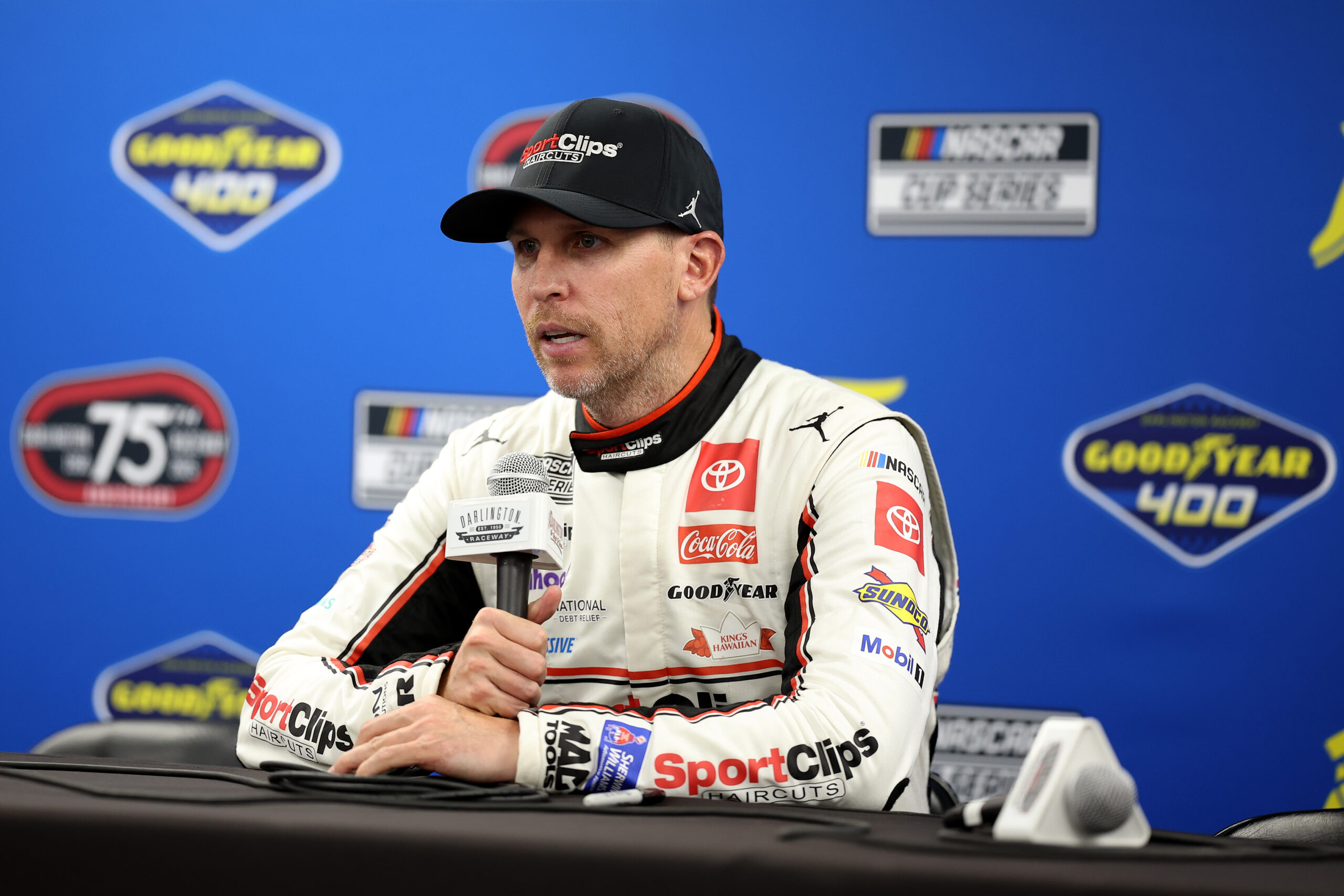


On this week’s episode of Actions Detrimental, 23XI Racing co-owner Denny Hamlin discussed the financial burden teams would have faced by agreeing to a new All-Star Race format and why the three-time Daytona 500 Champion believes this format wouldn’t work.
Last week, a now-confirmed rumor spread that NASCAR asked its teams if they wanted to run a “Run What Ya Brung” format at the 2025 NASCAR All-Star Race. This format would have allowed teams to bring whatever combination of adjustments and aero package they wanted as long as the car passed safety inspections.
The All-Star Race is often used to test new packages, tires, or even concepts in NASCAR. In this case, the Run What Ya Brung format theoretically could have helped NASCAR fix its ailing short track product by allowing the creative minds at race shops to run wild.
While fans loved this idea, NASCAR teams were adamantly opposed to it, with the rumor being that the financial burden of such a race would have been too much for them. At the time, Joe Gibbs Racing veteran driver and 23XI Racing co-owner Denny Hamlin posted on X, “It is true. I’ll talk about it on Monday and explain why the decision was made.”
As promised, Hamlin dove into the reason why, at least he and 23XI Racing shot down this proposed format.
Hamlin opened by agreeing that the format could be helpful and exciting to try at a low-stakes event such as the All-Star Race. Hamlin said, “Generally speaking, if you’re just talking to me, the racecar driver and the fan, I’m gonna say, ‘Damn, I wish we had this.’ This would be fantastic. There could possibly be something that gets learned for the short-track package that could make it better.”
However, as an owner, Hamlin has the foresight to ask, “Who is going to pay for it?” The 44-year-old went on to explain that he believed this race would “destroy” three race cars. This follows the original rumor that claimed owners were perhaps worried about the “Pandora’s Box” that this race would open.
While this sounds dramatic, Hamlin states that under the proposed rules, teams would likely go overboard, messing with the chassis and bending other parts.
“So under the rules that were put in front, you have to use Next Gen parts, but you can do whatever you want to them. So what we’re gonna do is destroy every piece and part of that car and make it lighter or something. Like we’re gonna we’re gonna modify it. We’re gonna bend the chassis. We’re going to do all types of things to this thing that will make it illegal at any other racetrack that we go to.” — Denny Hamlin
What’s Happening? In a recent podcast, mechanic and writer Bozi Tatarevic revealed he had heard a rumor that NASCAR Cup Series…
For Hamlin, the time and effort of modifying and shaping the parts for an exhibition race wasn’t the only detraction from this format.
According to the team owner, NASCAR only allows teams to own seven cars per door number, meaning 23XI has roughly 21 cars for its three full-time entries. In this case, the heavy modifications would eliminate those three cars, which cost over $300,000 each, from their fleet.
This would affect the team, as in the long run, as Hamlin says, you have to wreck a car to get a new one. “You gotta show NASCAR that it’s wrecked, it’s bent, or it’s whatever, and you need another chassis,” Hamlin says that yes, in this case, teams can get another car, but it would cost 23XI big time. “Can you ask for another chassis? Sure, but I’m gonna spend a million dollars just in parts in pieces.”
Throughout the debate about this format, fans have stated that the $1 million to win the All-Star would make the cost worth it. Of course, Hamlin had an opinion on that matter as well, saying that the race has paid $1 million for 30 years, and “It’s not that cool anymore.”
While fans, and even a few NASCAR insiders, could see this as an owner complaining about the cost, Hamlin answered every question raised by the fan base on why the teams rejected the concept pitch by NASCAR roughly a month ago. For once, however, the teams are taking the weight of the outrage rather than the sports governing body.
After Sunday’s Jack Link’s 500, Jeff Gluck of The Athletic went on a tirade on his podcast, The Teardown. Telling team owners, “Teams. I think you are a bunch of assholes, honestly. You are a bunch of assholes. Seriously. Stop crying about the freaking money. Will you stop it? Will you listen to yourselves? All you do is complain.”
For those who take issue with teams complaining about finances, such as Gluck in his public rant from Sunday night, Hamlin had a response as well. He says that there is a good reason teams complain because they have enough money.
“It’s because the teams don’t have enough money,” Hamlin said. “This is what we’re fighting for. This is what we’ve been talking about. If you continue to lose money year after year, why would you just raise your hand and say, ‘Sure, I’ll take another million loss, give me a million? I’ll take a million loss.’ You can’t do that. It’s not sustainable.”
What’s Happening? On the latest episode of The Teardown, NASCAR insider Jeff Gluck launched into a tirade against NASCAR’s teams. This…
Let us know your thoughts on this! Join the discussion on Discord or X, and remember to follow us on Instagram, Facebook, and YouTube for more updates.
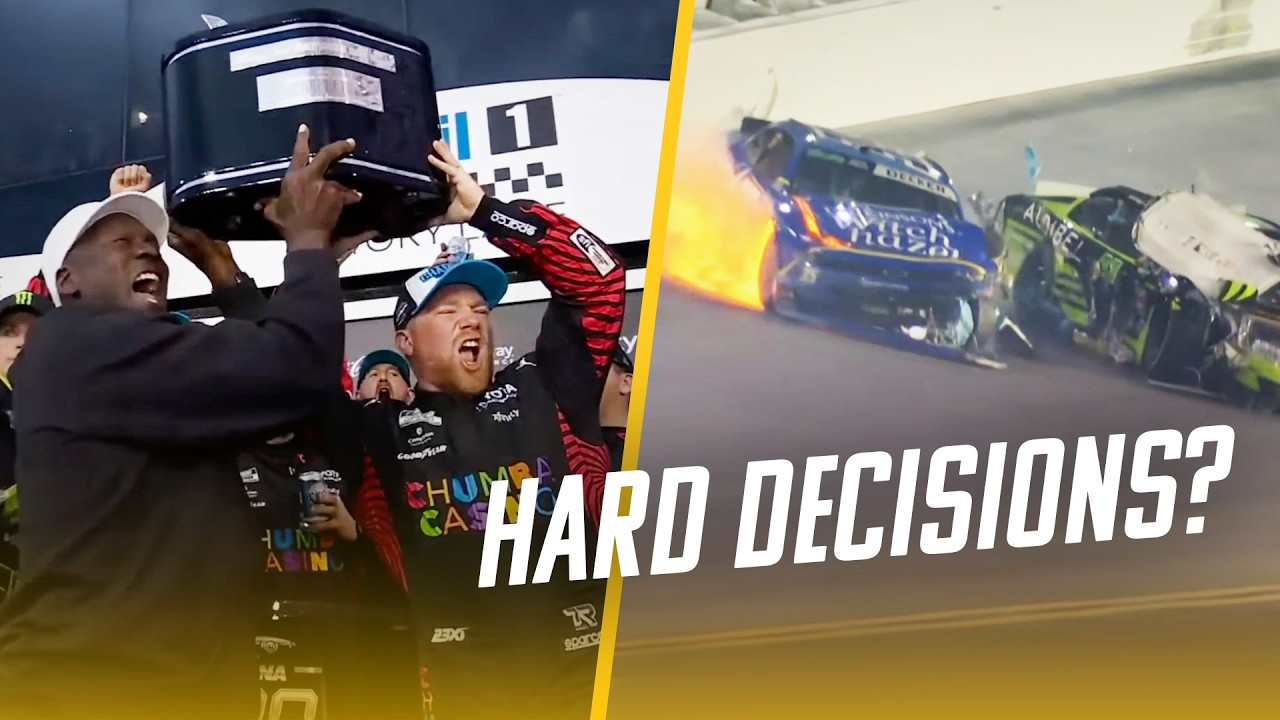
It wouldn’t be Daytona without some weird, wacky, and headline-grabbing fallout. From viral Victory Lane moments to renewed debates about driver approval, NASCAR’s biggest race once again delivered more than just on-track drama. And with Michael Jordan celebrating a Daytona 500 win, the spotlight burned brighter than it has in years.
Jordan’s presence mattered. When the most iconic athlete of a generation shows genuine emotion upon winning the Daytona 500, it reminds the wider sports world that this race still matters. That kind of authentic publicity cannot be manufactured. It resonated far beyond the garage. Meanwhile, the O’Reilly Series race added fuel to another ongoing debate. The massive Decker crash, Cleetus McFarland’s Truck debut incident, and past approval inconsistencies have once again raised tough questions. Consistency, transparency, and accountability are now front and center. Add in Austin Hill’s dominance and Ryan Ellis’ career-best sixth-place run to open the season, and Daytona gave fans plenty to talk about on and off the track.
Watch Also
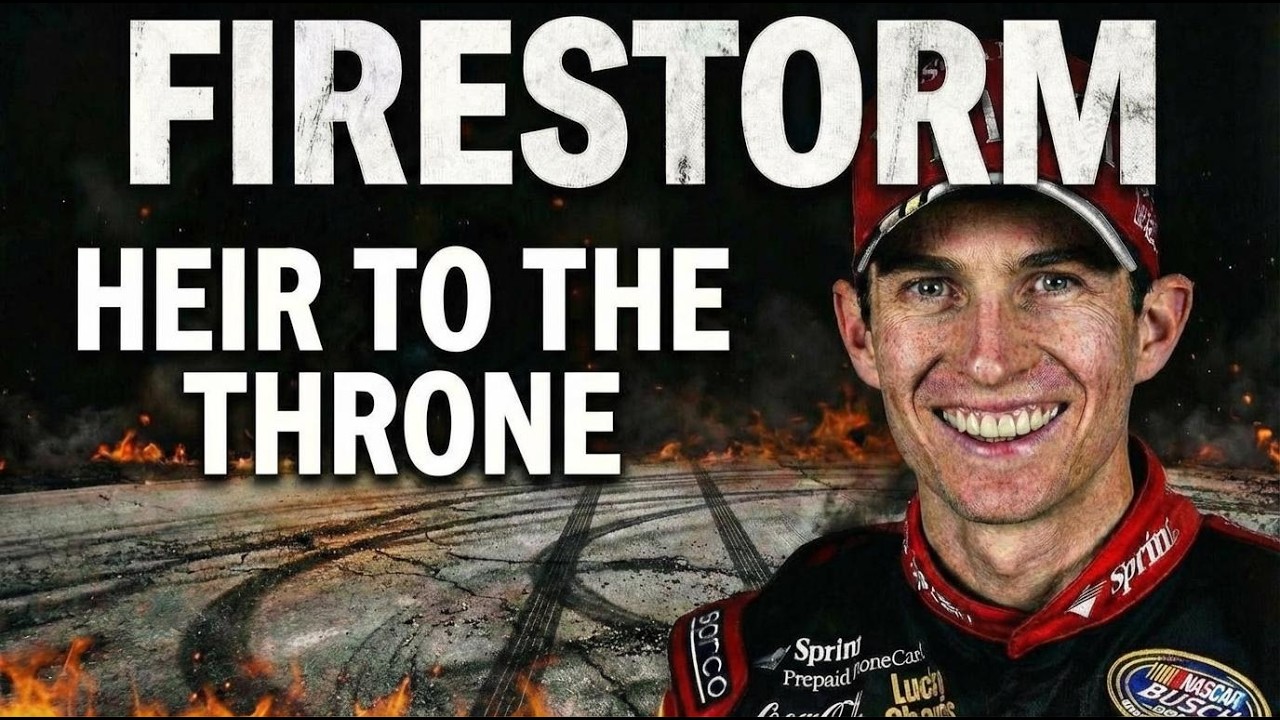
On May 12, 2000, the NASCAR world arrived at New Hampshire International Speedway expecting another race weekend. Within hours, Adam Petty was gone. His death would become the first domino in an 18-month stretch that forever changed NASCAR’s approach to safety and reshaped the sport at its core.
Adam wasn’t just the grandson of Richard Petty or the son of Kyle Petty; he was a young driver building his own path, fresh off his Cup debut at Texas Motor Speedway and preparing for a future with Dodge and Petty Enterprises. His passing stunned the garage and deeply impacted fans who saw the Petty family as part of their own. From the unanswered mechanical questions to the emotional aftermath that eventually led to the creation of Victory Junction, this is where the Firestorm begins. The fear, the controversy, and the transformation of NASCAR safety all trace back to that Friday in Loudon.
Watch Also
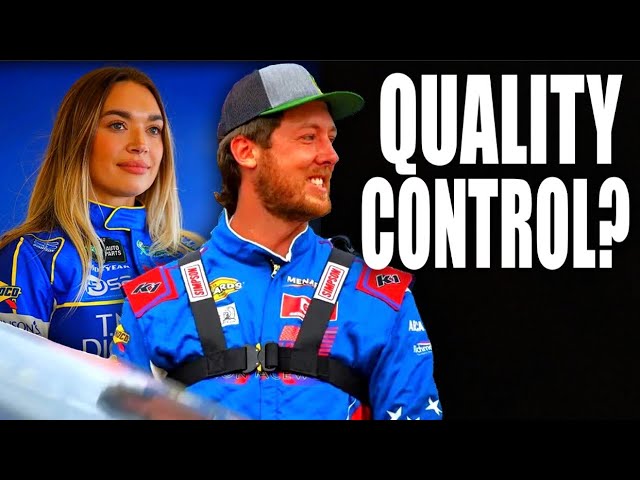
The O’Reilly series race at Daytona turned into a breaking point. One crash, one late reaction, and suddenly the conversation wasn’t just about race results, it was about standards, accountability, and who truly belongs at this level of NASCAR competition.
The Decker incident reignited long-standing perception issues, especially when outside commentary from figures like Mike Davis amplified the embarrassment factor. At the same time, NASCAR has stepped in before, blocking Wallace, sidelining others like Jennifer Jo Cobb, yet those interventions feel inconsistent. Wright’s pit road mistake added fuel to the argument that funding can outweigh readiness. McFarland, meanwhile, represents a different case, raw but potentially coachable, with time to develop if he chooses that route seriously. Money has always shaped racing careers, but when sponsorship outweighs preparation, the sport risks its credibility. Should NASCAR tighten its standards, or is this simply the cost of doing business in modern motorsports?
Watch Also
