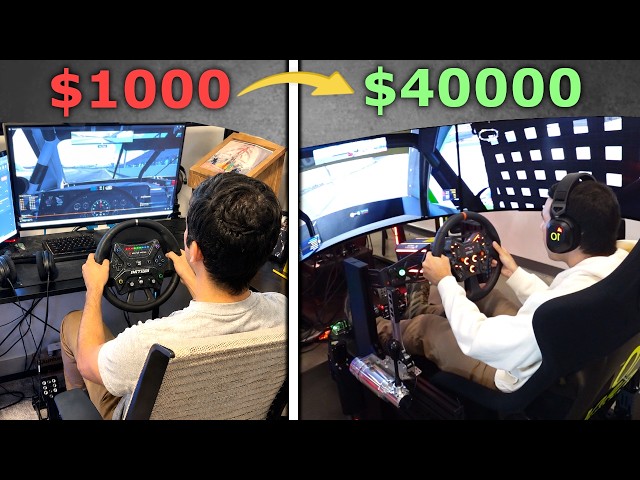

Is spending thousands of dollars on a sim racing rig actually worth it? To find out, this video compares a roughly $1,000 setup built around the Asetek Inception ecosystem against a $50,000 professional-grade simulator featuring motion, triple monitors, and high-end hardware. By racing official iRacing ARCA events at Legacy Atlanta on both setups, the comparison reveals where expensive equipment genuinely improves performance, where comfort matters more than price, and why the biggest gains may not come from the wheel itself.
After completing races on both simulators, the conclusion is that premium hardware delivers greater immersion and additional feedback, especially through motion systems, but diminishing returns set in quickly. A quality direct-drive wheel, reliable pedals, and a comfortable driving position provide most of the competitive experience, while the most expensive upgrades primarily enhance realism rather than dramatically lowering lap times. Whether you’re building your first rig or dreaming of a professional setup, this comparison offers a realistic look at what each price tier actually delivers.
Watch Also: