
5 Sponsors that Need to Return to NASCAR

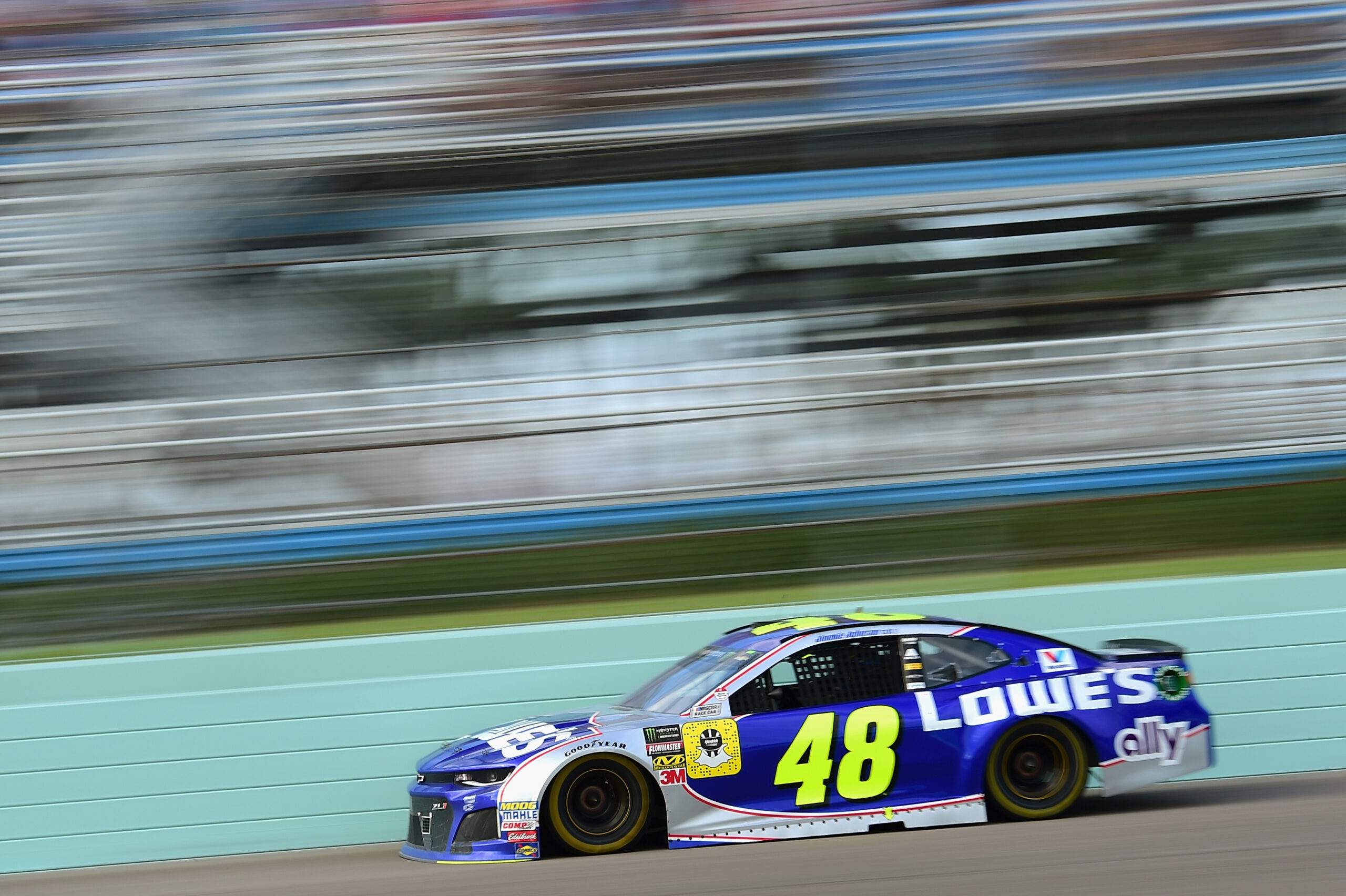
HOMESTEAD, FL - NOVEMBER 18: Jimmie Johnson, driver of the #48 Lowe's Rookie Throwback Chevrolet, races during the Monster Energy NASCAR Cup Series Ford EcoBoost 400 at Homestead-Miami Speedway on November 18, 2018 in Homestead, Florida. (Photo by Jared C. Tilton/Getty Images)
Sponsors are the life blood to the NASCAR model. Over the first 75 years of racing, some have reigned supreme and gone by the wayside. Here's who we think should come back.

Sponsors are the life blood of NASCAR. Without them, the teams wouldn’t have the funding to put on the amazing show that we have all come to love. In NASCAR’s first 75 years, we have had some interesting sponsors. Some have made an impression on us, and others are iconic.

Nothing lasts forever though. Just ask Kyle Busch, who in 2022 lost one of NASCAR’s longest running sponsors in M&M’s. That loss of sponsorship was a major catalyst in his decision to find a new racing home.

Sponsors come and sponsors go, and here is our list of which ones should come back to be with us for many years to come, and a brief history on their time in the sport.

Lowes

You had to know this was coming right? A long time NASCAR sponsor, they found incredible long time success with one of NASCAR’s greatest. Lowes came aboard the 48 Chevrolet piloted by Jimmie Johnson in 2001 for 4 races, and full time to start Johnson’s rookie season.

The partnership had immediate success and the rest was history. Johnson and Lowes recorded some of NASCAR’s greatest accomplishments, including a record tying 7 Cup series championships, 5 of which were consecutive from 2006-2010. They left the sport at the conclusion of the 2018 season and haven’t been back.

Home Depot

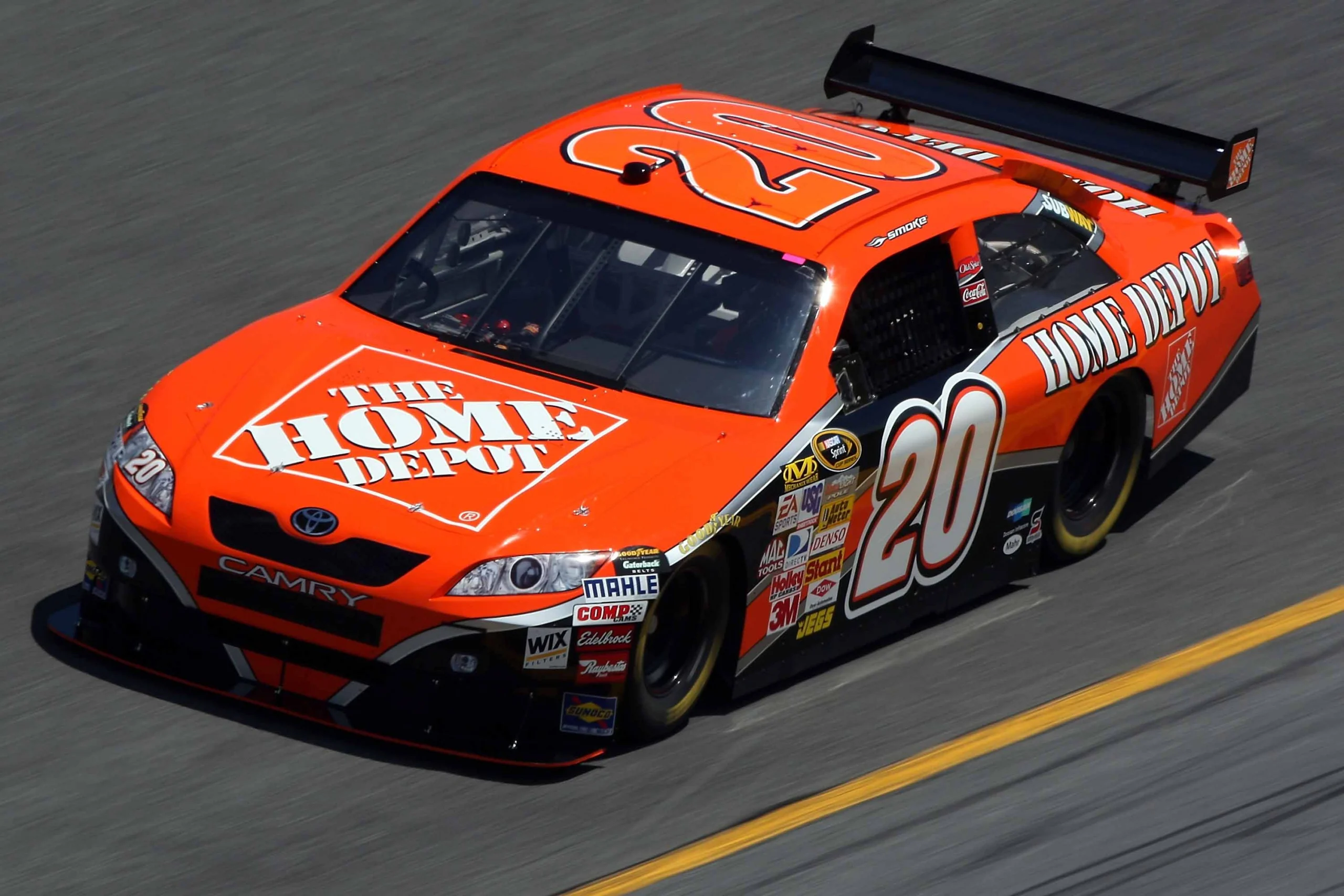
Ok, Ok, we promise this isn’t just home good stores. Home Depot and Lowes were the Yin and Yang of NASCAR during the 2000’s. Home Depot was the iconic sponsor of 3X Champion turned team owner Tony Stewart. Stewart claimed 2 championships with Home depot, and that 20 machine of Joe Gibbs with its bright orange livery was a menace to all around him.

After Stewart left to become a team owner at Stewart Haas at the conclusion of the 2008 season, Home Depot stayed on the 20 car at Gibbs with 2 other Cup champions. They were rookie Joey Logano’s sponsor, with Logano winning twice in the 20. They were then a secondary sponsor for 2003 Cup champion Matt Kenseth in his time at Gibbs. They left the sport in 2017.
Kellogg’s

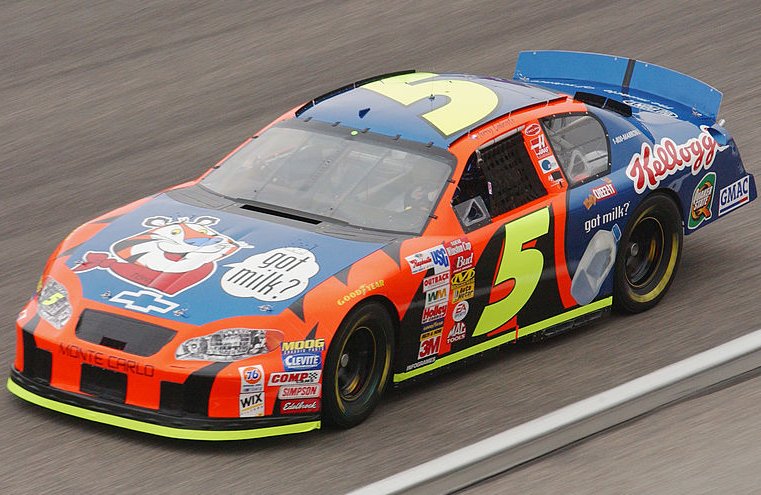
When you think of amazing paint schemes, the Kellogg’s cars come to mind. Terry Labonte in the 90’s with the iconic Corn Flakes car, Kyle Busch in his time at Hendrick Motorsports, Mark Martin in his career resurgence piloting the 5 chevrolet, or cousin Carl doing backflips with Tony the Tiger on the hood, Kellogg’s has a long rich history in our sport, and we have an appetite to see them return.
Miller Light

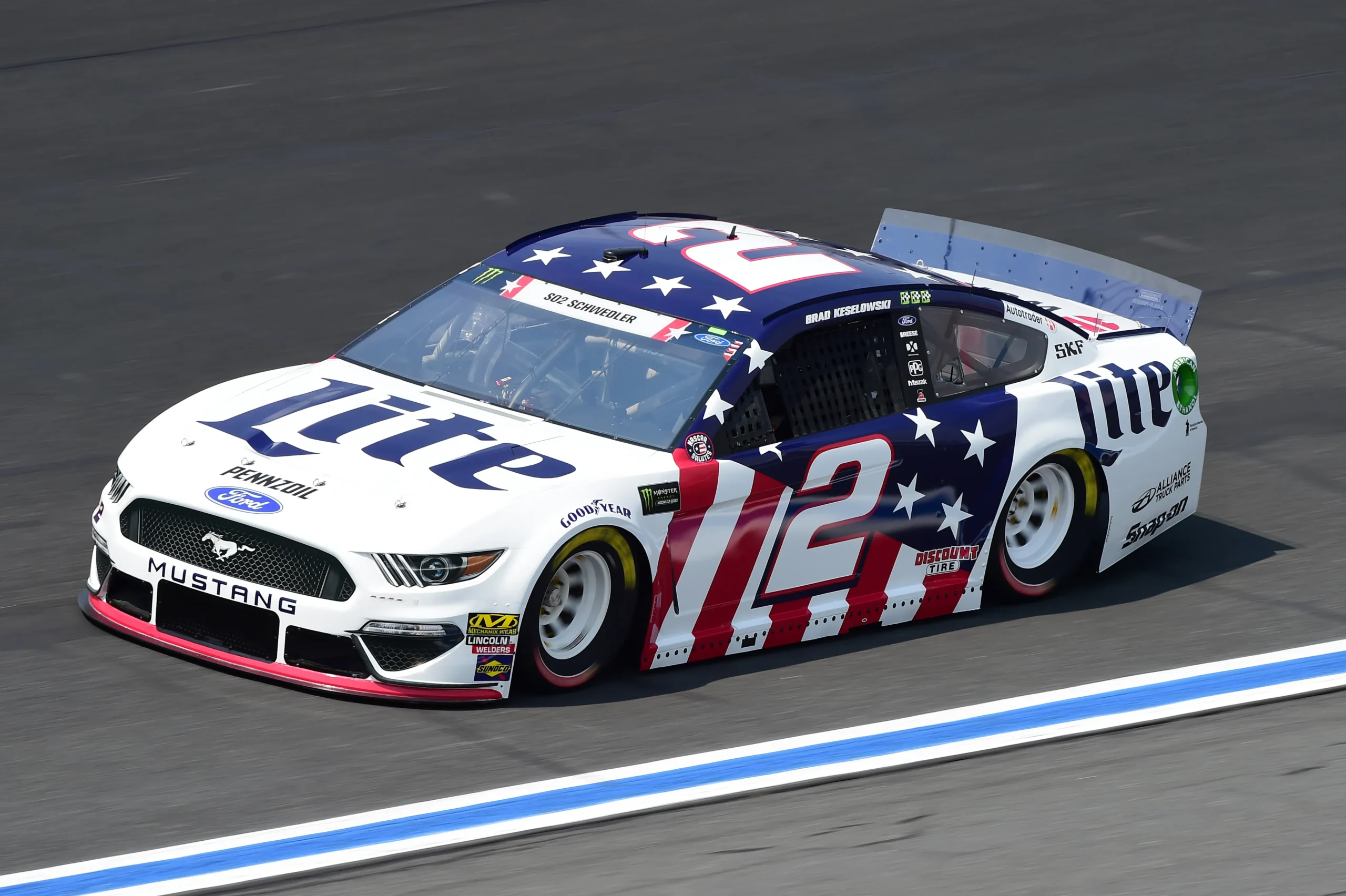
This one hurt when they exited following the 2020 season. Piloted by some of NASCAR’s finest, a sponsor of championship caliber, Miller Lite burst onto the scene in the 80’s and collected quite a trophy case between Rusty Wallace, Kurt Busch, and Brad Keselowski, including the 2012 Cup championship in Dodge’s farewell season in the sport. Beer sponsorships and NASCAR go hand in hand, and Miller Lite brought elegance and class to the field.
National Guard

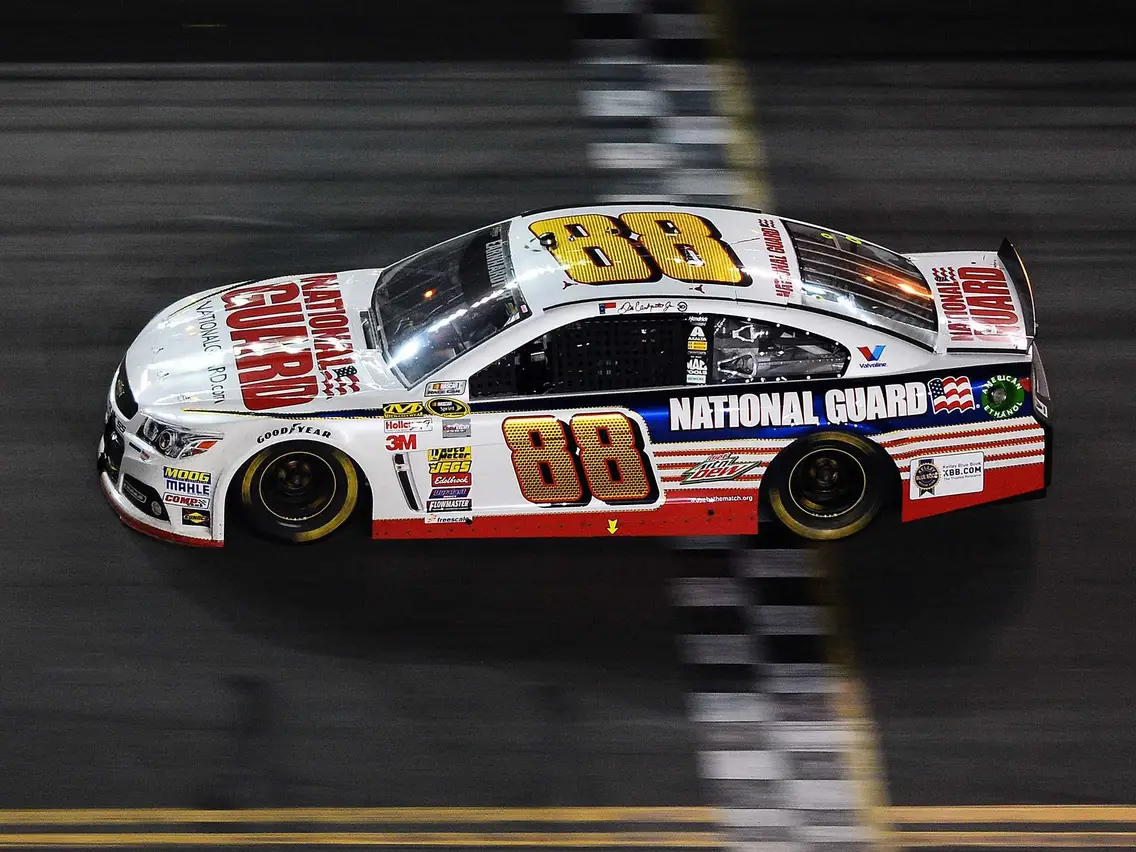
Not the Dale Jr. sponsor you thought we were going with here huh? While Budweiser is iconic, they are still alive and well in our sport with Busch Light on the 4 machine. The National Guard however, had an incredible run in NASCAR. From Dale Jr’s 2014 Daytona 500 win, to Casey Mears lone win in the 2007 Coca Cola 600, and many years on Greg Biffle’s 16 Ford at Roush, the National Guard always brought patriotic paint schemes to the track, and seeing them back would be a pleasure.
Share this:

Michael Jordan’s NASCAR Impact | Driver Approvals Questioned After Decker, Cleetus Crash At Daytona

It wouldn’t be Daytona without some weird, wacky, and headline-grabbing fallout. From viral Victory Lane moments to renewed debates about driver approval, NASCAR’s biggest race once again delivered more than just on-track drama. And with Michael Jordan celebrating a Daytona 500 win, the spotlight burned brighter than it has in years.

  • Did Michael Jordan’s raw, emotional Victory Lane reaction create the most mainstream positive buzz NASCAR has seen since 2020?
  • Why did one viral clip take on a life of its own, even after Tyler Reddick addressed it publicly?
  • Has the Natalie Decker crash reignited serious concerns about NASCAR’s driver approval process?
  • And where should the line be drawn between marketing power, opportunity, and competitive fairness?

Jordan’s presence mattered. When the most iconic athlete of a generation shows genuine emotion upon winning the Daytona 500, it reminds the wider sports world that this race still matters. That kind of authentic publicity cannot be manufactured. It resonated far beyond the garage. Meanwhile, the O’Reilly Series race added fuel to another ongoing debate. The massive Decker crash, Cleetus McFarland’s Truck debut incident, and past approval inconsistencies have once again raised tough questions. Consistency, transparency, and accountability are now front and center. Add in Austin Hill’s dominance and Ryan Ellis’ career-best sixth-place run to open the season, and Daytona gave fans plenty to talk about on and off the track.

Watch Also

Adam Petty’s Brief Bright Career Ended in Heartbreak

On May 12, 2000, the NASCAR world arrived at New Hampshire International Speedway expecting another race weekend. Within hours, Adam Petty was gone. His death would become the first domino in an 18-month stretch that forever changed NASCAR’s approach to safety and reshaped the sport at its core.

  • How did a suspected throttle issue in Turn 3 at New Hampshire International Speedway take the life of 19-year-old Adam Petty?
  • Why were officials and team members unable to recreate the malfunction afterward?
  • Did this tragedy expose deeper safety flaws that had gone unaddressed?
  • And how did this moment mark the beginning of NASCAR’s most devastating modern era?

Adam wasn’t just the grandson of Richard Petty or the son of Kyle Petty; he was a young driver building his own path, fresh off his Cup debut at Texas Motor Speedway and preparing for a future with Dodge and Petty Enterprises. His passing stunned the garage and deeply impacted fans who saw the Petty family as part of their own. From the unanswered mechanical questions to the emotional aftermath that eventually led to the creation of Victory Junction, this is where the Firestorm begins. The fear, the controversy, and the transformation of NASCAR safety all trace back to that Friday in Loudon.

Watch Also

Does NASCAR Need Better Quality Control?

The O’Reilly series race at Daytona turned into a breaking point. One crash, one late reaction, and suddenly the conversation wasn’t just about race results, it was about standards, accountability, and who truly belongs at this level of NASCAR competition.

  • After the crash involving Natalie Decker and Sam Mayer, is this just another racing mistake, or proof that NASCAR needs stricter quality control before drivers reach national series events?
  • Was NASCAR right to previously deny Mike Wallace a Daytona 500 start at Daytona International Speedway, even with his experience?
  • Does Chris Wright’s repeated inexperience at high-speed tracks show a flaw in how seats are earned?
  • And where does Cleetus McFarland fit, promising upside, but possibly moving up too quickly?

The Decker incident reignited long-standing perception issues, especially when outside commentary from figures like Mike Davis amplified the embarrassment factor. At the same time, NASCAR has stepped in before, blocking Wallace, sidelining others like Jennifer Jo Cobb, yet those interventions feel inconsistent. Wright’s pit road mistake added fuel to the argument that funding can outweigh readiness. McFarland, meanwhile, represents a different case, raw but potentially coachable, with time to develop if he chooses that route seriously. Money has always shaped racing careers, but when sponsorship outweighs preparation, the sport risks its credibility. Should NASCAR tighten its standards, or is this simply the cost of doing business in modern motorsports?

Watch Also