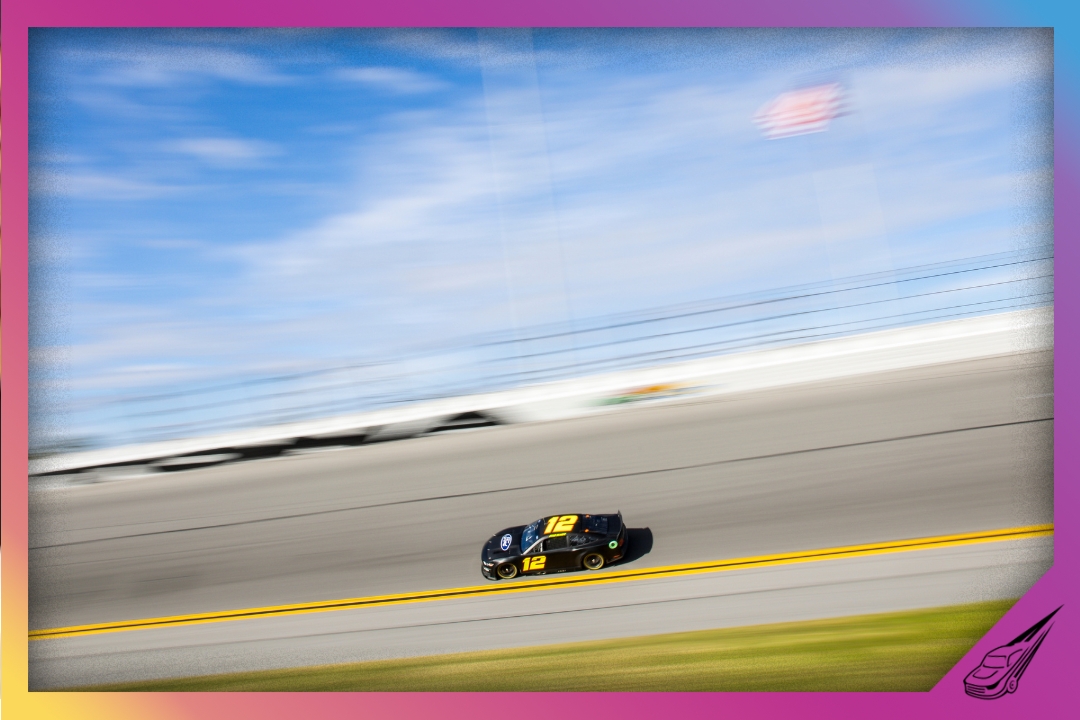
NASCAR Confirms the Return of Fan Favorite Pre-Season Event in 2027
What’s Happening? For the first time in over a decade, NASCAR will host its Preseason Thunder test at Daytona International Speedway…
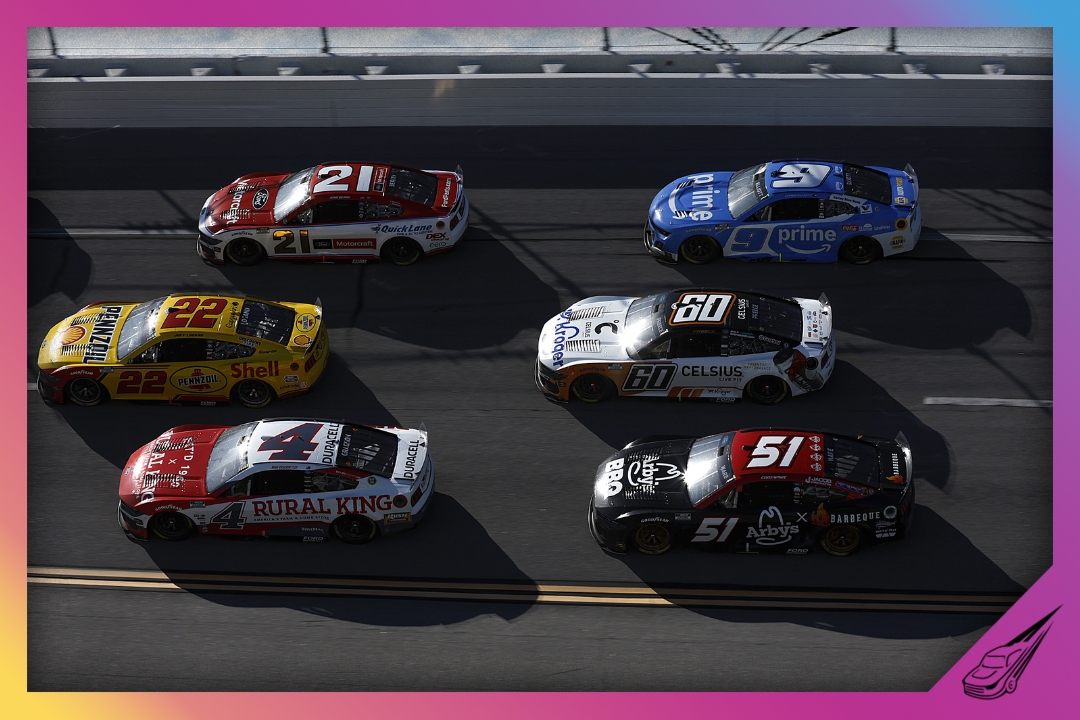


Fuel-saving at drafting tracks such as Daytona and Talladega has become a sticking point, eroding fan engagement and drawing heat from drivers, veterans, and the media. Calls for a fix have grown louder, with many urging the sanctioning body to act. NASCAR, which had previously brushed it aside and maintained that the strategy cannot be removed from superspeedway racing, has now put a plan on the table.
NASCAR Executive Vice President and Chief Racing Development Officer John Probst recently outlined a change set for the upcoming race at Talladega to prevent the long-dreaded fuel-saving racing style, indicating a shift in officials’ approach to the issue.
While the move serves as a stopgap, the sport is already looking for a lasting solution ahead of the 2027 season.
Speaking on the Hauler Talk podcast, Probst said:
“We talk to our fans every week. There’s certainly a lot of feedback from the fans that don’t always like to see some of the three-wide fuel saving that happens mostly at Talladega and Daytona. And I think that coming out of Daytona, we have been working hand-in-hand with a lot of our race teams, trying to largely break into two categories of things that we could do. One being the sporting-related things, like rules around pit stops, or stage lengths, or things of that nature. The other being in a technical bucket, which would mean car changes, spoiler, power levels, and things of that nature.” — John Probst
As NASCAR weighed its options, hesitation has crept in on the technical front, with concerns that changes to the car could open another can of worms. Hence, for now, the focus has shifted to the race format.
This year, when the Cup Series returns to the 2.66-mile track in two weeks at Talladega, NASCAR will flip the stage structure.
Where the race once ran with two shorter opening stages followed by a longer run to the finish, the order will now turn on its head.
Last year’s stages broke down into sets of 60 laps, 60 laps, and 68 laps. This time, the opening stage will stretch closer to 100 laps, with the final two stages trimmed to under 50 laps each.
Probst believes the move could produce a positive outcome by curbing fuel-mileage racing.
“It could be interesting in that first stage, if there are some teams that try to do it on one stop versus some that try to do it on two. We think that if there are some that do it on two, they may drag the group that would try to do it on one stop. So it’s got some potential for some pretty interesting strategies,” he said.
On the technical side, NASCAR is keeping its powder dry for now but has plans in motion. A test session at Daytona is scheduled for January 2027, during which teams will test different power levels, spoilers, and other car elements to further curb fuel-saving.
Even then, Probst acknowledged the uphill climb. Fuel-saving has become part of the playbook, and teams have long made a living out of finding an edge in any gray area.
“This is a tool now that the teams know,” he indicated, adding that the purpose is to plug the gap in the short term while lining up a broader fix, without tipping the balance in the wrong direction.
That concern is that a swing with the technical side too far in one direction could trade one problem for another, turning pack racing into single-file runs along the top or bottom track, shifting the focus from fuel mileage to aerodynamics issues.
As a result, NASCAR is looking to revive “Preseason Thunder” as part of its long-term plan heading into 2027.
The concept is not new, though. Through the 1990s and 2000s, teams headed to Daytona in January for multi-day test runs, with SPEED Network carrying sessions and highlights, offering an early look at the field before Speedweeks.
A 2008 testing ban brought those runs to a halt, though the idea returned in 2012 as a fan fest as NASCAR worked to move away from the two-car draft that had fallen out of favor. The event ran for two more years as the Gen 6 car took hold, including moments such as Rusty Wallace returning to the cockpit in 2014.
With tighter testing limits in place and, barring 2022, when the current Cup car debuted, the event faded into the background. But now, the door appears set to open again in 2027, as NASCAR looks to tackle a problem that has refused to go away lately.
What’s Happening? For the first time in over a decade, NASCAR will host its Preseason Thunder test at Daytona International Speedway…
What do you think about NASCAR’s proposed solution to limit the fuel-mileage racing strategy? Let us know your opinion on Discord or X. Don’t forget that you can also follow us on Instagram, Facebook, and YouTube.