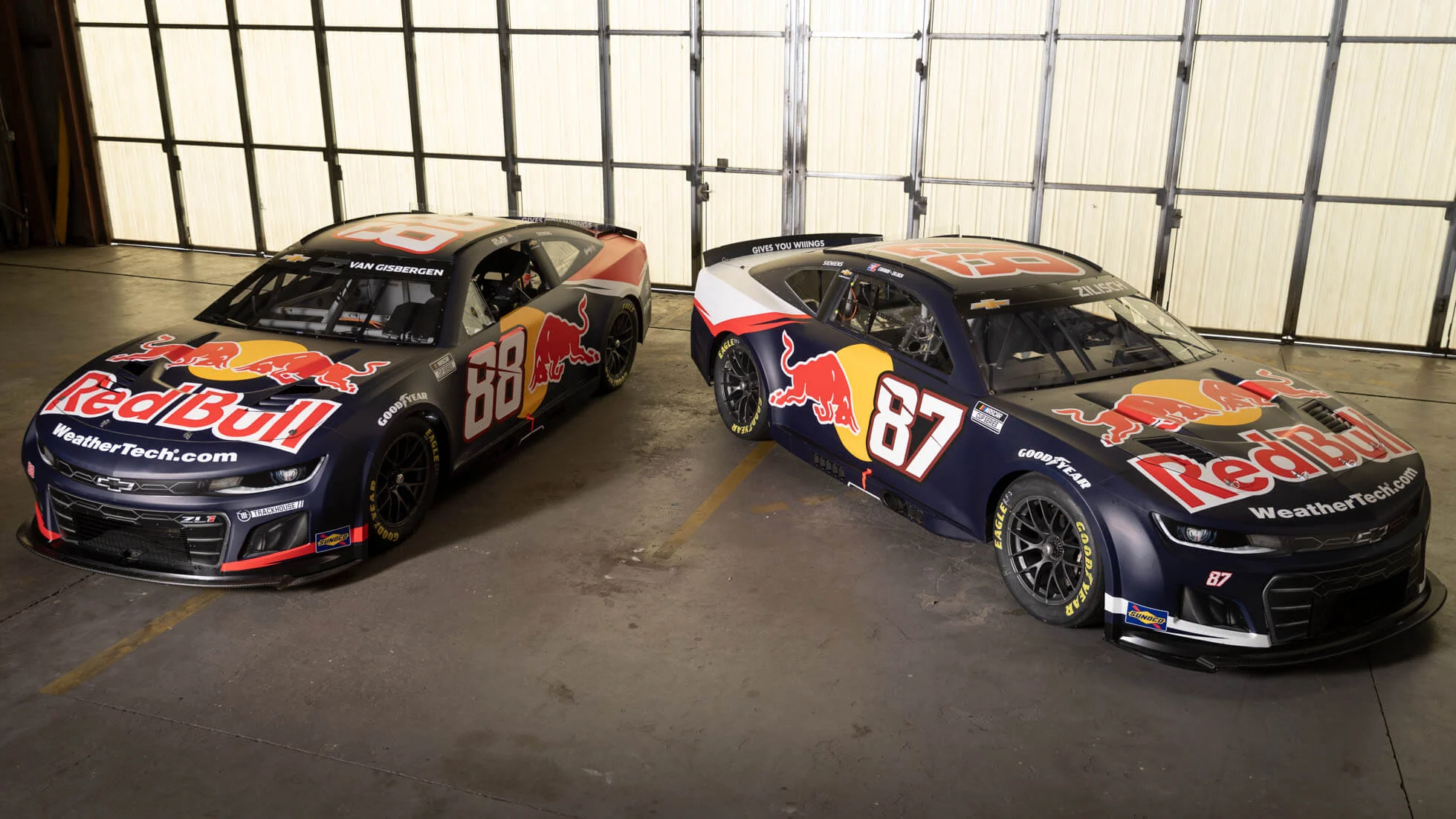
Major Sponsor Making Long-Awaited Return to NASCAR with Connor Zilisch
What’s Happening After more than a decade, the energy drink brand Red Bull has returned to NASCAR. The company, which last…
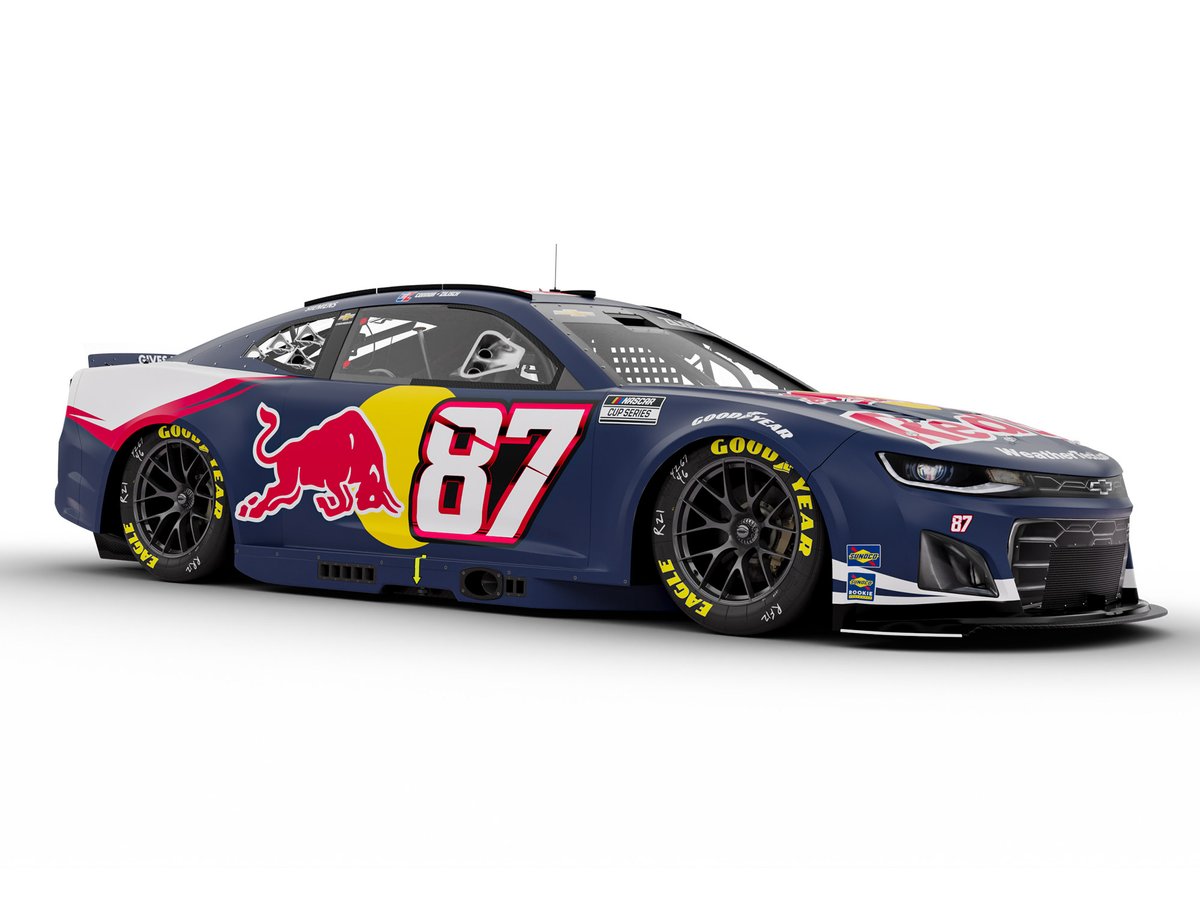
Lionel Racing is officially selling a NASCAR diecast sponsored by Red Bull. In a just a few hours, this post rose to over 53,000 views on X, but why are fans so excited about one diecast?
The hype around this diecast is thanks to two major factors. First, this will be the first Red Bull-sponsored NASCAR diecast released since 2011, the final season in which Red Bull Racing entered NASCAR races.
Second, this is the Cup Series debut paint scheme for Trakchouse Racing prospect Connor Zilisch. In a short time frame, Zilisch has risen to being considered not only the top prospect in NASCAR but also one of the best young drivers in the world.
Lionel is releasing this diecast in all scales and will release renders of the car to be driven by Zilisch’s teammate Shane van Gisbergen in the coming weeks.
So, what lead to both of these milestones?
Red Bull Racing officially debuted in the NASCAR Cup Series in 2007. Until its closure at the end of the 2011 season, the team fielded Toyotas, typically numbered in the 80s, with the exception of No. 4 during their final season.
These cars were eye-catching, with paint schemes featuring the sharp silver and blue colors found on Red Bull cans. As a result, the diecast of these cars were hot sellers at the time and often hard to get at the race track. Since Red Bull’s departure from NASCAR, diecast of the iconic sponsors Toyota’s sell for top dollar.
When the team closed, the value of these diecasts went through the roof, slowly climbing from the 20-dollar range into the 100s as the years went by. For example, two 1:64 Red Bull diecasts recently sold on eBay for slightly over and well over $100.

There is no exact reason why collectors are so avid about these diecasts. Factors include nostalgia, rarity, the look, or simply the sponsor. However, for the last 14 years, most collectors regard these as key relics of Red Bull’s short yet impactful time in NASCAR.
When Red Bull left NASCAR, it created a vacuum for the brand in North American motorsports. While they continued as prominent team owners and sponsors in Formula One and Supercars, when Red Bull left NASCAR, it abandoned a large portion of North American motorsports fans.
Though Red Bull wasn’t the only energy drink sponsoring team during its heyday (take AMP Energy and NOS for reference), it was by far the most popular. Shortly after Red Bull left NASCAR, competitors like Monster Energy and Celcius began ramping up their sponsorship of cars throughout the NASCAR garage.
Throughout this stretch, there was no sign of Red Bull in NASCAR until Supercars Champion and Red Bull athlete Shane van Gisbergen made his debut in 2023. Clad in his Red Bull helmet and hat, SVG initially came to NASCAR as a one-off with Trackhouse Racing. However, a win in his first race dominoed into the driver signing a developmental contract with Trackhouse Racing.
Throughout 2024, SVG’s helmet reminded fans of a sponsor long gone from NASCAR. While Red Bull sponsored just the driver, hopes of him bringing their colors back to the hood of a car seemed unlikely.
While SVG debuted in the Xfinity Series, Connor Zilisch was lighting up the NASCAR world in early 2024. The then-17-year-old road course racing prodigy blasted onto the National Series circuit by winning the pole for his Truck Series debut at Circuit of the Americas.
Primed for a future with Trackhouse, the team announced he would debut in the Xfinity Series with JR Motorsports at Watkins Glen in Sept.
Prior to his Xfinity Series debut, Red Bull announced they were signing the now 18-year-old as a Red Bull athlete. While Zilisch drove his way to victory lane that same weekend, rumors and speculation of a return to the sport for Red Bull ran wild.
Finally, on Jan. 23, Trackhouse and Red Bull announced that the iconic Bulls were returning to NASCAR as a primary sponsor of SVG’s new No. 88 in five races in 2025. Furthermore, the brand would sponsor Zilisch in his Cup Series debut at Circuit of the Americas on Mar. 2.
Following this announcement, Lionel Racing’s social media comment sections filled with questions about the new Red Bull diecast—all leading up to Monday’s announcement, 14 years in the making.
What’s Happening After more than a decade, the energy drink brand Red Bull has returned to NASCAR. The company, which last…
What do you think about this? Let us know your opinion on Discord or X, and don’t forget that you can also follow us on Instagram, Facebook, and YouTube.