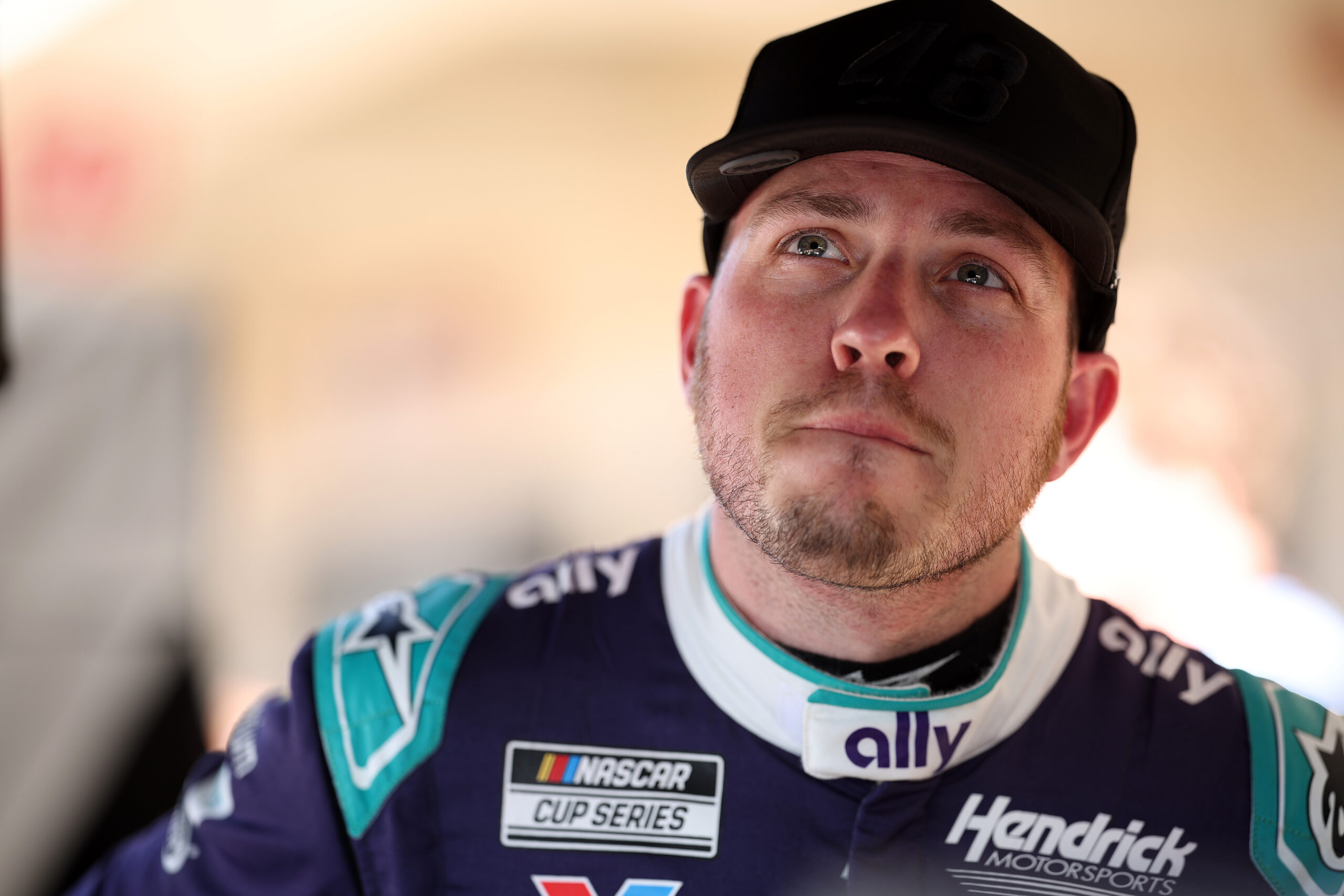

Alex Bowman revealed he will be stepping away from the cockpit during the race at Phoenix this weekend after a vertigo diagnosis earlier this week. Anthony Alfredo will take over driving duties in the No. 48 Chevrolet.
NEWS: @anthonyalfredo will fill in for @Alex_Bowman this weekend at @phoenixraceway. pic.twitter.com/OQ31FATHZl
— NASCAR (@NASCAR) March 5, 2026
Alfredo works as the full-time simulator driver for Hendrick Motorsports, where he helps the organization prepare setups for all four entries in the NASCAR Cup Series. Away from the simulator, he also competes in the NASCAR Xfinity Series with Viking Motorsports, driving the No. 96 Chevrolet.
Vertigo is a sensation of spinning, swaying, or tilting. The condition often stems from problems in the inner ear or the brain. People with vertigo may experience dizziness, nausea, vomiting, loss of balance, hearing loss, and rapid eye movements called nystagmus. In medical terms, vertigo is a symptom of another condition rather than a disease in itself.
One form, peripheral vertigo, is related to inner ear issues. A common trigger is benign paroxysmal positional vertigo (BPPV), which occurs when calcium crystals move within the ear canals. Other causes include vestibular neuritis and labyrinthitis.
Another form, central vertigo, stems from the brain or nervous system. This type can arise from conditions such as stroke, tumors, or multiple sclerosis.
It is not clear what specific kind of vertigo Bowman is suffering from.
Bowman felt dizzy during the race at Circuit of the Americas and stepped out of the car after 71 laps. Following a 15-minute approval process from the sanctioning body, Myatt Snider later climbed into the seat and guided the Chevrolet to a 36th-place result, six laps down.
The 32-year-old driver attempted to undergo evaluation by driving a street vehicle on March 5, 2026. But he did not receive medical clearance to compete at Phoenix Raceway.
Vertigo can create a sense that everything is spinning or moving even when it is not. That sensation can disrupt a driver’s sense of motion and position, making it hard to focus or maintain balance. Inside a race car traveling at speed, those effects can place both the driver and others on the track at risk.
Reaction time plays a major role in racing. When vertigo affects perception or balance, a driver may respond later to events happening around the car. The flow of information can overwhelm the balance system when a driver suffers from vertigo, worsening nausea, and disorientation.
In the worst-case scenario, if Bowman gets into an accident during the race, it can worsen the effects of vertigo on his body.
Because of those factors, Bowman will remain on the sidelines until he receives clearance to return to the wheel of the No. 48 Chevrolet in the NASCAR Cup Series. For now, the team will work with Alfredo while Bowman focuses on recovery.
Importantly, the team has clarified that Bowman’s condition is not concussion-related, and hence, it is not expected to have long-term effects. HMS officials stated that they are encouraged by the progress Bowman is making. The team is prioritizing Bowman’s health and will wait for him to be cleared by medical professionals before taking his No. 48 car back. But the potential for additional missed races depends mostly on his recovery progress.