

The Most Iconic Moments from the Southern 500

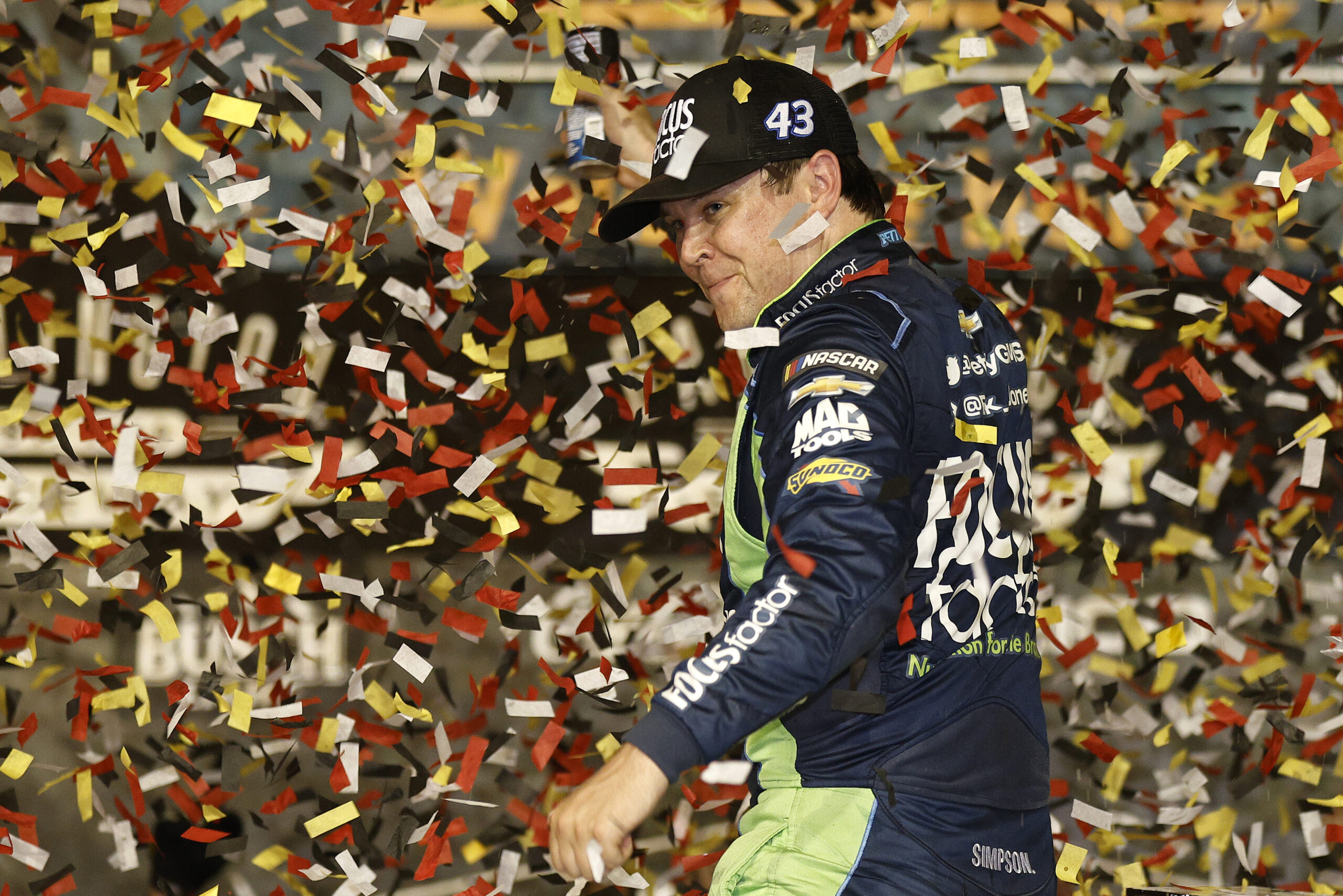
DARLINGTON, SOUTH CAROLINA - SEPTEMBER 04: Erik Jones, driver of the #43 FOCUSfactor Chevrolet, celebrates in victory lane after winning the NASCAR Cup Series Cook Out Southern 500 at Darlington Raceway on September 04, 2022 in Darlington, South Carolina. (Photo by Jared C. Tilton/Getty Images)

What’s Happening?

The Southern 500 is one of NASCAR’s crown jewels and one of the most coveted races on the schedule for drivers in the NASCAR Cup Series to win. A Labor Day tradition, the history of this event runs deep, and winning at Darlington always carries a little more weight for drivers who always want to conquer the Track Too Tough to Tame. We’re going to look at some of the most iconic moments over the years from the Southern 500.

Elliott Wins First Winston Million – 1985

In 1985, NASCAR set a challenge named after the series title sponsor at the time, Winston Cigarettes, called the Winston Million. This challenge was pretty simple. One million dollars would be paid out to any driver who could win three NASCAR crown jewel events in a single season. Bill Elliott, NASCAR’s most popular driver, wasted no time becoming the first driver to win the Winston Million after capturing his third and final required crown jewel win with the Southern 500 in its very first year. The victory catapulted Elliott into superstardom, and earned him the nicknames “Million Dollar Bill” and “Awesome Bill From Dawsonville”.

Gordon Captures Second Winston Million – 1997

It took nearly 12 years, but someone finally won the Winston Million again after Bill Elliott did it in 1985. That someone was young superstar Jeff Gordon, who was able to win the Daytona 500 and Coca-Cola 600 to set himself up with a chance to win the Winston. After holding off a late charge from Jeff Burton, Gordon became only the second driver to secure the Winston Million. He would cap off his amazing 1997 with a Cup Series championship.

Regan Smith Shocks the World – 2011

Talk about your all-time upsets. That’s what happened in 2011 when Regan Smith, driving for single-car team Furniture Row Racing, held off a late charge from Carl Edwards to capture his first and only NASCAR Cup Series victory. What a place to get your only win, at the track that is widely known as the toughest on the schedule, in one of the sports crown jewel events. This one will always be remembered.

Carl Edwards Wins From Two Laps Down – 2015

In the 2015 Southern 500, Carl Edwards pulled off the most improbable win of his NASCAR career. Down two laps early in the race, Edwards never gave up and continued grinding. Eventually getting himself back on the lead lap, Edwards was able to work his way to the front of the field. With 11 laps to go, he was able to track down and pass race leader Brad Keselowski and cruised to his one and only victory at Darlington.

Erik Jones Wins Second Southern 500 – 2022

A special moment for all NASCAR fans came in the 2022 Southern 500. Erik Jones, who had been booted from Joe Gibbs Racing in favor of Christopher Bell, took the wheel of the iconic Petty No. 43 starting in 2021. Jones and Petty GMS were not on the radar going into Darlington to start the playoffs in 2022, and the Jones, not being in the playoffs, had nothing to lose. Jones ran a great race and was in a good position late despite the dominance shown by Kyle Busch. When Busch had an engine issue that forced him to retire from the race, Jones inherited the lead and never looked back. Holding off a hard-charging Denny Hamlin, Jones captured the first win in No. 43 since Aric Almirola won in 2014.

These were some of our favorite Southern 500 moments. What are some of yours? Do you agree with the ones we picked? Were there any you can think of that we missed? Let us know! Connect with us on our socials at The Daily Downforce, and stick with us all season for the latest NASCAR news.
Share this:

Michael Jordan’s NASCAR Impact | Driver Approvals Questioned After Decker, Cleetus Crash At Daytona

It wouldn’t be Daytona without some weird, wacky, and headline-grabbing fallout. From viral Victory Lane moments to renewed debates about driver approval, NASCAR’s biggest race once again delivered more than just on-track drama. And with Michael Jordan celebrating a Daytona 500 win, the spotlight burned brighter than it has in years.

  • Did Michael Jordan’s raw, emotional Victory Lane reaction create the most mainstream positive buzz NASCAR has seen since 2020?
  • Why did one viral clip take on a life of its own, even after Tyler Reddick addressed it publicly?
  • Has the Natalie Decker crash reignited serious concerns about NASCAR’s driver approval process?
  • And where should the line be drawn between marketing power, opportunity, and competitive fairness?

Jordan’s presence mattered. When the most iconic athlete of a generation shows genuine emotion upon winning the Daytona 500, it reminds the wider sports world that this race still matters. That kind of authentic publicity cannot be manufactured. It resonated far beyond the garage. Meanwhile, the O’Reilly Series race added fuel to another ongoing debate. The massive Decker crash, Cleetus McFarland’s Truck debut incident, and past approval inconsistencies have once again raised tough questions. Consistency, transparency, and accountability are now front and center. Add in Austin Hill’s dominance and Ryan Ellis’ career-best sixth-place run to open the season, and Daytona gave fans plenty to talk about on and off the track.

Watch Also

Adam Petty’s Brief Bright Career Ended in Heartbreak

On May 12, 2000, the NASCAR world arrived at New Hampshire International Speedway expecting another race weekend. Within hours, Adam Petty was gone. His death would become the first domino in an 18-month stretch that forever changed NASCAR’s approach to safety and reshaped the sport at its core.

  • How did a suspected throttle issue in Turn 3 at New Hampshire International Speedway take the life of 19-year-old Adam Petty?
  • Why were officials and team members unable to recreate the malfunction afterward?
  • Did this tragedy expose deeper safety flaws that had gone unaddressed?
  • And how did this moment mark the beginning of NASCAR’s most devastating modern era?

Adam wasn’t just the grandson of Richard Petty or the son of Kyle Petty; he was a young driver building his own path, fresh off his Cup debut at Texas Motor Speedway and preparing for a future with Dodge and Petty Enterprises. His passing stunned the garage and deeply impacted fans who saw the Petty family as part of their own. From the unanswered mechanical questions to the emotional aftermath that eventually led to the creation of Victory Junction, this is where the Firestorm begins. The fear, the controversy, and the transformation of NASCAR safety all trace back to that Friday in Loudon.

Watch Also

Does NASCAR Need Better Quality Control?

The O’Reilly series race at Daytona turned into a breaking point. One crash, one late reaction, and suddenly the conversation wasn’t just about race results, it was about standards, accountability, and who truly belongs at this level of NASCAR competition.

  • After the crash involving Natalie Decker and Sam Mayer, is this just another racing mistake, or proof that NASCAR needs stricter quality control before drivers reach national series events?
  • Was NASCAR right to previously deny Mike Wallace a Daytona 500 start at Daytona International Speedway, even with his experience?
  • Does Chris Wright’s repeated inexperience at high-speed tracks show a flaw in how seats are earned?
  • And where does Cleetus McFarland fit, promising upside, but possibly moving up too quickly?

The Decker incident reignited long-standing perception issues, especially when outside commentary from figures like Mike Davis amplified the embarrassment factor. At the same time, NASCAR has stepped in before, blocking Wallace, sidelining others like Jennifer Jo Cobb, yet those interventions feel inconsistent. Wright’s pit road mistake added fuel to the argument that funding can outweigh readiness. McFarland, meanwhile, represents a different case, raw but potentially coachable, with time to develop if he chooses that route seriously. Money has always shaped racing careers, but when sponsorship outweighs preparation, the sport risks its credibility. Should NASCAR tighten its standards, or is this simply the cost of doing business in modern motorsports?

Watch Also