
Fuel mileage and defensive driving took the headlines this past weekend in Iowa. But, it’s still not time to shut the book on NASCAR’s trip to corn country. So, who were the biggest losers from NASCAR’s weekend at Iowa Speedway?
I know it’s weird to start with IndyCar, but hear me out. Anyone who watched the ARCA Menard Series race Friday night at Iowa Speedway may or may not have noticed the moderately sized crowd. While it was by no means a full house, it was a noteworthy size due in part to the, let’s say, below-lackluster attendance for the IndyCar race at the track a few weeks ago.
Legitimately think ARCA has a larger crowd at Iowa than IndyCar did pic.twitter.com/SIYCqbuczn
— GPLaps (@GPLapsJake) August 1, 2025
IndyCar’s fall off has been graceful at times, akin to a small pebble, once a great boulder, rolling down a hill. However, other times, such as the poor attendance for the race at Iowa, a track at which they used to be the main event, it seems like more of a drop off a cliff than a hill. FOX seems enthusiastic in their investment in the series, and rumors suggest that they may not return to Iowa next season. While NASCAR is not perfect, IndyCar clearly has some things to figure out, and hopefully, this season is the turning point they need to get that done.
While TNT’s coverage was by no means terrible, it was a far cry from that of Prime Video’s coverage earlier this summer. So, to the relief of many, NBC returned to NASCAR coverage with their booth of Leigh Diffey, Steve Letarte, and Jeff Burton. Everything aside, the NBC broadcast yesterday was mostly great except for one thing, and no, we are obviously not talking about Leigh Diffey (who is amazing). We are, of course, talking about the full-screen commercial break that the network took during a major battle for the lead.
Oh no, they didn't just really go to commercial in the middle of that, did they?
— Jeff Gluck (@jeff_gluck) August 3, 2025
Fifty laps into the race, and 21 to go in stage one, William Byron and Brad Keselowski battled for the lead entering a storm of lapped traffic. Nonetheless, NBC decided to take a commercial break. Now we understand that this is the Gen Seven era of NASCAR on a short track, but Keselowski was working Byron well enough to make the pass. To their benefit, the No. 6 did not pass the No. 24 during the break, but, for the network that is most considered to be the best of NASCAR, this was not a great re-introduction to an already hostile fan base.
Following his early departure from the now-shuttered NASCAR Xfinity Series team OUR Motorsports, Kris Wright returned to the NASCAR scene in this weekend’s ARCA Menards Series race at Iowa Speedway. Wright, who has had decent outings in ARCA, looked to rebound from an 18-race Xfinity Series season in which he got endless attention for all the wrong reasons, having early run-ins with Josh Blicki and DGM Racing, and a run-in with fan favorite Justin Allgaier at Texas.
Scheduled post.
— Justin Payne (@ItsJustinPayne) August 1, 2025
Nonetheless, this fresh start would not last long, as only 27 laps into his return to Venturini Motorsports, Wright’s No. 15 entry found itself in the outside wall and out of the race. Though it was not the worst crash in the world, race fans did not hold back on X, with jokes about Wright’s skill behind the wheel flooding most users’ feeds almost immediately. Following his start to this race season, Wright’s reputation with fans is going to need a generational run to be repaired.
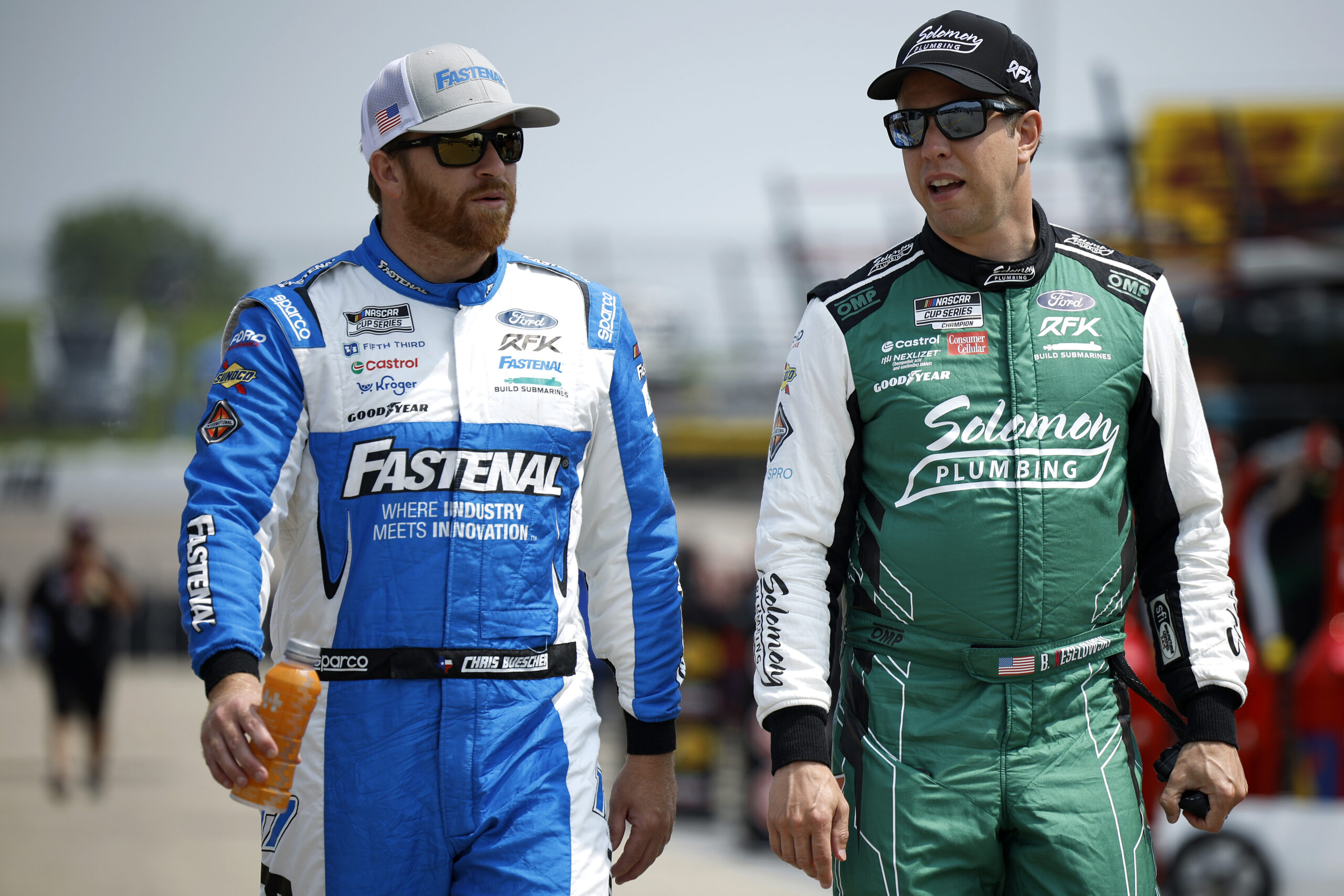
After last season’s spring race at Darlington, all seemed fine for Brad Keselowski. The No. 6 team finally won, Keselowski finally proved himself to be an owner, and the team looked for brighter and bigger things in the future. That was until the start of the 2025 season, in which Keselowski has put up some of the worst numbers of his career. With an average finish just slightly better than his first full-time season at Team Penske in 2010.
No. Brad finished 3rd. pic.twitter.com/ytXVcH1R1L
— Did Brad Keselowski win? (@didkeswin) August 4, 2025
Look, you can chalk yesterday up to whatever you want, but right now, Keselowski is in a massive hole, sitting at 19th in points with three races left in the regular season, though technically, he is still in the playoff picture. The only question that remains is if the No. 6 team wins its way into the playoffs and subsequently goes on a run for the title, will fans treat it the same way they treated Joey Logano in 2025? But hey, who knows, we may never be able to answer that question because Keselowski needs a win now more than ever.
Let us know your thoughts on this! Join the discussion on Discord or X, and remember to follow us on Instagram, Facebook, and YouTube for more updates.