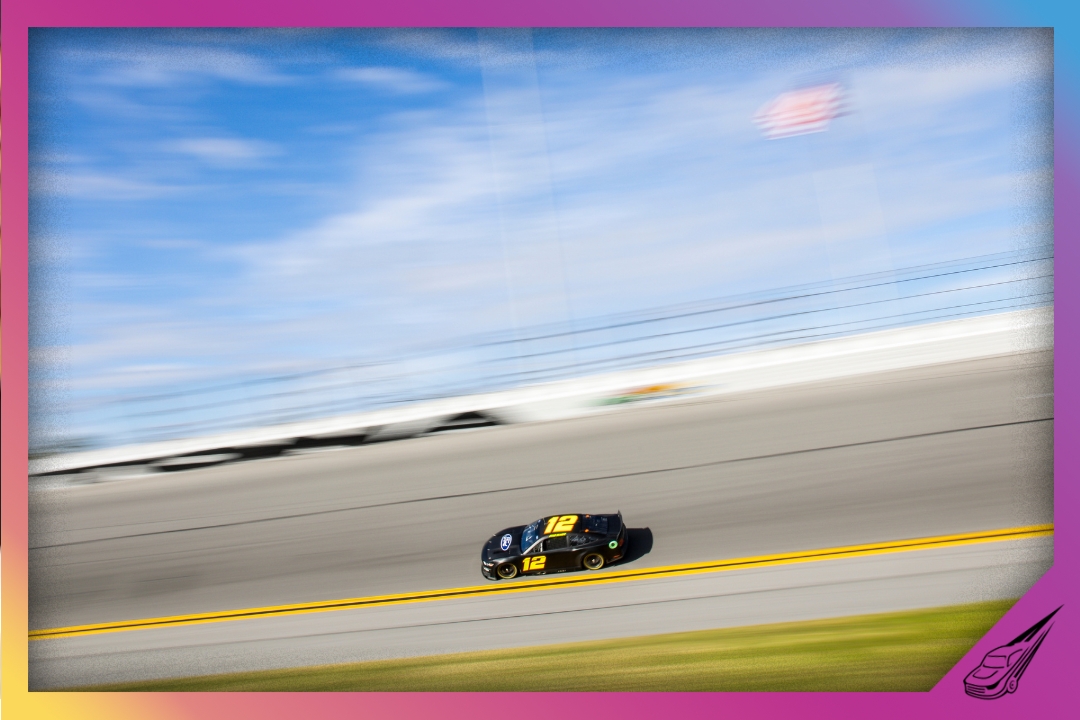
NASCAR Confirms the Return of Fan Favorite Pre-Season Event in 2027
What’s Happening? For the first time in over a decade, NASCAR will host its Preseason Thunder test at Daytona International Speedway…
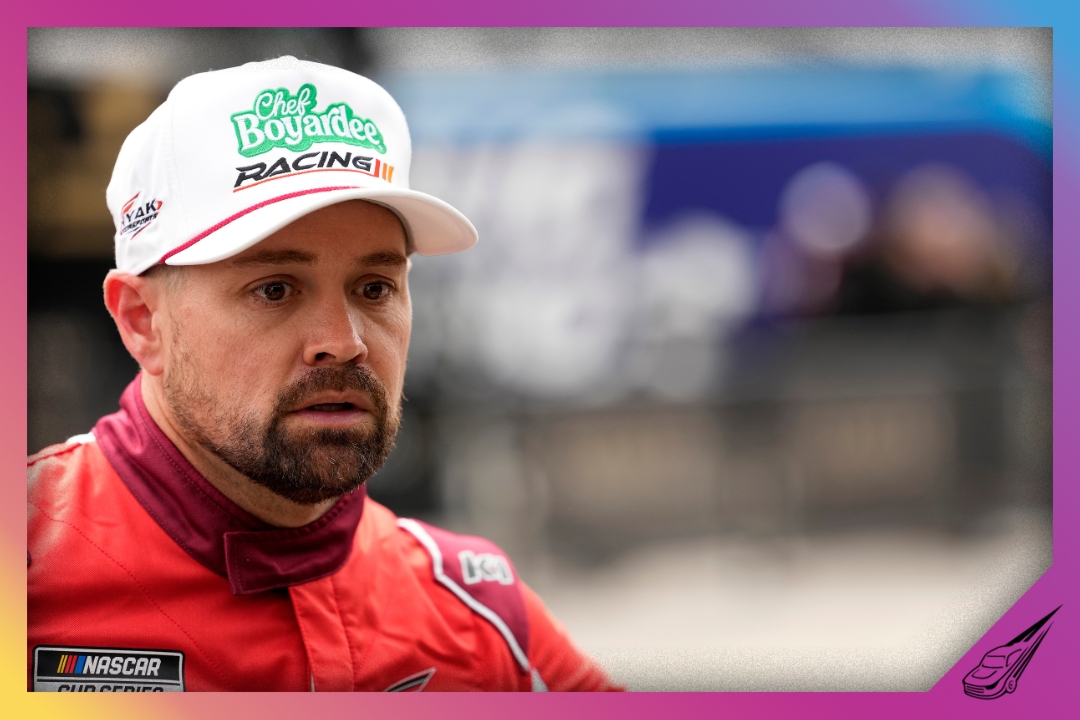


The issue of fuel-saving at superspeedways has been persistent for years, refusing to go away and testing the patience of the garage and the grandstands. Ricky Stenhouse Jr. recently placed the blame squarely on the car itself, arguing that the root of the problem lies in the Next Gen car’s mechanics during a recent interview.
When the Daytona 500 went green in February, the field slipped into fuel conservation mode later than normal, though this still turned what should be a flat-out contest into a waiting game.
Many expected change was on the way from officials, perhaps through larger fuel cells or a rethink of the stage format, but NASCAR chose to hold its line.
Instead, Elton Sawyer, the Senior Vice President of Competition, addressed the debate by flipping the lens on perception with some comments that fans didn’t take too well.
“They’re five and six wide, and (fans) don’t know how fast they’re going … they’re all standing up and cheering. So, it’s like ‘okay,’ and John (Patalak) has said this many times, ‘what are we trying to fix?’”
During a recent appearance on SiriusXM Radio ahead of this weekend’s race at Talladega Superspeedway, 2024 Daytona 500 Champion Ricky Stenhouse Jr, however, pointed to a deeper mechanical shift that has altered the racing cadence.
“It’s somewhat coincidental, but with this new car came faster pit stops. Therefore, you can’t fill your race car full of gas as quick as you can change the tires. You used to be able to fill your car full of gas while you were hitting five lug nuts because it took forever compared to what it does now.”
In the era before the Next Gen car, pit stops were an effort, with crews wrestling five lug nuts on each wheel. While that played out, fuel flowed without becoming a concern. By the time the tires were secured, the tank was full, and the car was ready to head back on the track.
The introduction of the single lug nut changed that equation overnight in 2022. Tire changes now happen in a flash, turning the longest part of a stop into the quickest.
Fuel, however, did not follow suit. It still trickles in at the same rate, leaving teams in a bind where they are forced to wait on the tank. That is the piece that dictates the tempo of the stop and, by extension, the race itself, as Stenhouse explained during this interview.
“I guess some of it is a product of the single lugs, maybe. But just sitting in the race car in a pit stop, it happens so fast now.” And I would say the biggest thing, it used to be your tires took the longest. And now your fuel takes the longest. And so, that’s your limiting factor. So, I guess it is more the race car than anything now.” — Ricky Stenhouse Jr.
Once fuel becomes the limiting factor, the ripple effect is hard to ignore as teams begin to shape their race around it, easing off the throttle, stretching mileage, and turning laps into calculations.
From Stenhouse’s point of view, that is where the issue takes root. It is not a case of drivers forgetting how to race or teams losing their edge overnight.
The car has changed the whole game, quietly but decisively, shifting the balance from speed to fuel conservation. Fuel now holds the cards on superspeedway tracks, and strategy follows suit.
For the upcoming race at Talladega Superspeedway, NASCAR has chosen to address the problem through the format rather than changes to the Next Gen car.
After months of speculation, officials have changed stage lengths and have been revised: Stage 1 ends on lap 98, Stage 2 on lap 143, and the final stage on lap 188.
John Probst, Executive Vice President and Chief Racing Development Officer, outlined the thinking behind the move during a recent episode of the Hauler Talk podcast.
According to Probst, NASCAR sat down with teams after Daytona and weighed two paths forward.
One involved altering the cars themselves by changing elements such as horsepower or spoilers. The other focused on adjusting the rules, including stage lengths and pit strategy windows.
In the end, NASCAR opted to leave the cars untouched midseason, choosing instead to experiment with the format, with plans for a major test at Daytona early next year to test changes to the cars ahead of the 500.
The extended opening stage now invites divergent strategies. Some teams may attempt to stretch their fuel window with a single stop, while others may opt for two. Once a group commits, the draft has a way of pulling others into the same lane, whether they planned it or not.
In theory, it will replace passive conservation with active decision-making.
Whether it works or shifts the problem from one corner of the race to another remains to be seen, but the intent is to tilt the competition back toward racing.
What’s Happening? For the first time in over a decade, NASCAR will host its Preseason Thunder test at Daytona International Speedway…
What are your thoughts on this? Let us know. Join the discussion on Discord or X, and remember to follow us on Instagram, Facebook, and YouTube for more updates.