NASCAR Modified Champion Getting Multiple Starts with Joe Gibbs Racing in 2025

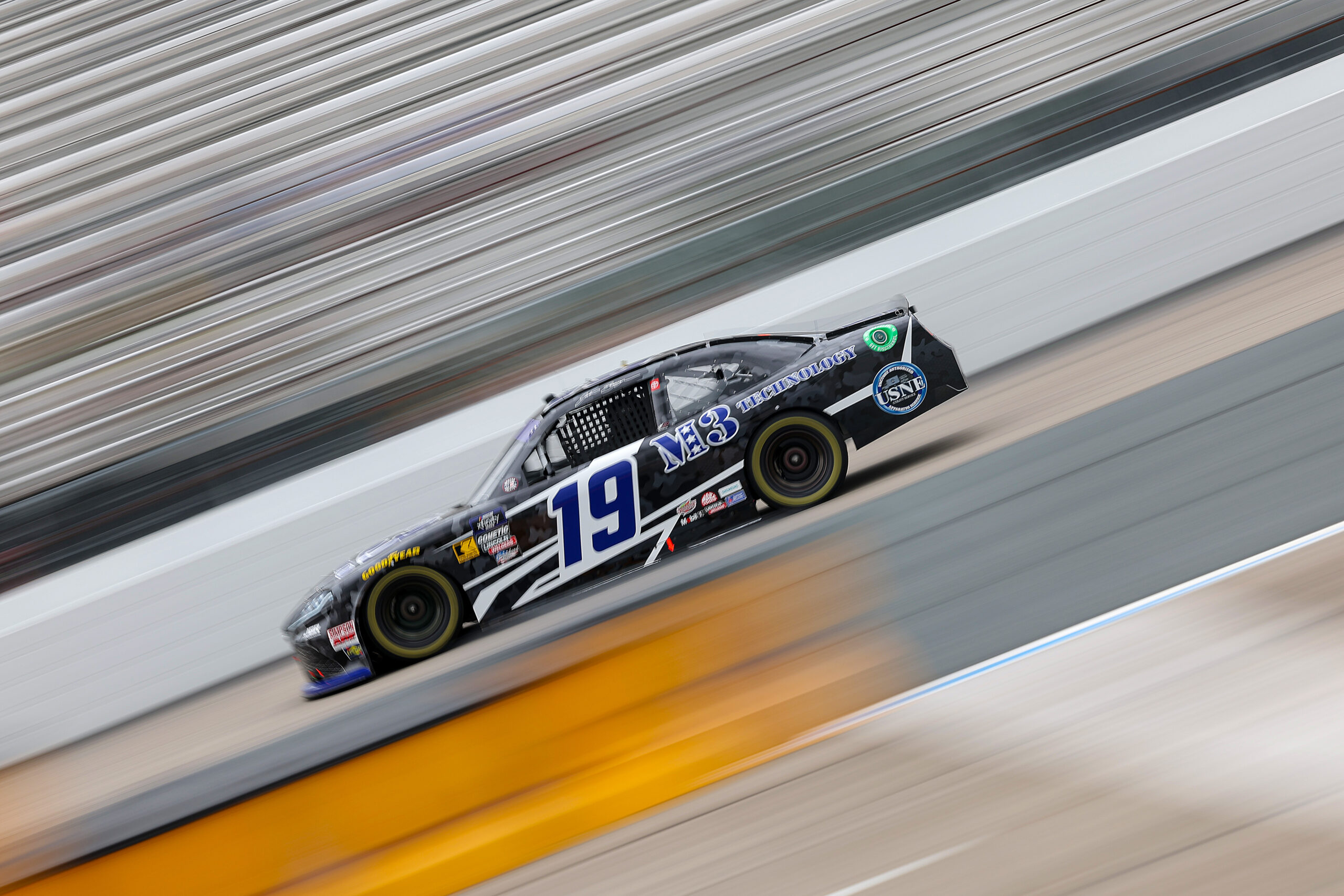
LOUDON, NEW HAMPSHIRE - JUNE 22: Justin Bonsignore, driver of the #19 M3 Technology's Toyota, drives during the NASCAR Xfinity Series SciAps 200 at New Hampshire Motor Speedway on June 22, 2024 in Loudon, New Hampshire. (Photo by Jonathan Bachman/Getty Images)

What’s Happening?

NASCAR Whelen Modified Tour driver Justin Bonsignore will get more time in the NASCAR Xfinity Series next season. The reigning Modified Tour champion will enter five races with Joe Gibbs Racing in the No. 19.

  • Justin Bonsignore is a well-known name for fans of NASCAR grassroots racing. The 35-year-old is one of many standout drivers from NASCAR’s Whelen Modified Tour. The Modified Tour focuses its schedule on the East Coast and has produced drivers like RFK Racing’s Ryan Preece.
  • Bonsignore is a legend in the Series, with 45 career wins, 130 top-fives, and 169 top-tens in only 226 starts. Most importantly, Bonsignore is the reigning series champion, a four-time series champion, and second in all-time series wins.
  • Last season, Joe Gibbs Racing gave Bonsignore a shot to race in the NASCAR Xfinity Series at New Hampshire Motor Speedway. Bonsignore led three laps and finished 22nd.
  • His five starts will join a stacked JGR Xfinity Series lineup in 2025. This lineup includes full-time efforts from Brandon Jones, Taylor Gray, and William Sawalich and a potential part-time effort from former Cup Series champion Martin Truex Jr.
  • This signing also confirms that the returning Brandon Jones will drive the No. 20 rather than his old number, No. 19.

What do you think about this? Let us know your opinions on Discord or X, and don’t forget that you can also follow us on InstagramFacebook, and YouTube.

Share this:

Michael Jordan’s NASCAR Impact | Driver Approvals Questioned After Decker, Cleetus Crash At Daytona

It wouldn’t be Daytona without some weird, wacky, and headline-grabbing fallout. From viral Victory Lane moments to renewed debates about driver approval, NASCAR’s biggest race once again delivered more than just on-track drama. And with Michael Jordan celebrating a Daytona 500 win, the spotlight burned brighter than it has in years.

  • Did Michael Jordan’s raw, emotional Victory Lane reaction create the most mainstream positive buzz NASCAR has seen since 2020?
  • Why did one viral clip take on a life of its own, even after Tyler Reddick addressed it publicly?
  • Has the Natalie Decker crash reignited serious concerns about NASCAR’s driver approval process?
  • And where should the line be drawn between marketing power, opportunity, and competitive fairness?

Jordan’s presence mattered. When the most iconic athlete of a generation shows genuine emotion upon winning the Daytona 500, it reminds the wider sports world that this race still matters. That kind of authentic publicity cannot be manufactured. It resonated far beyond the garage. Meanwhile, the O’Reilly Series race added fuel to another ongoing debate. The massive Decker crash, Cleetus McFarland’s Truck debut incident, and past approval inconsistencies have once again raised tough questions. Consistency, transparency, and accountability are now front and center. Add in Austin Hill’s dominance and Ryan Ellis’ career-best sixth-place run to open the season, and Daytona gave fans plenty to talk about on and off the track.

Watch Also

Adam Petty’s Brief Bright Career Ended in Heartbreak

On May 12, 2000, the NASCAR world arrived at New Hampshire International Speedway expecting another race weekend. Within hours, Adam Petty was gone. His death would become the first domino in an 18-month stretch that forever changed NASCAR’s approach to safety and reshaped the sport at its core.

  • How did a suspected throttle issue in Turn 3 at New Hampshire International Speedway take the life of 19-year-old Adam Petty?
  • Why were officials and team members unable to recreate the malfunction afterward?
  • Did this tragedy expose deeper safety flaws that had gone unaddressed?
  • And how did this moment mark the beginning of NASCAR’s most devastating modern era?

Adam wasn’t just the grandson of Richard Petty or the son of Kyle Petty; he was a young driver building his own path, fresh off his Cup debut at Texas Motor Speedway and preparing for a future with Dodge and Petty Enterprises. His passing stunned the garage and deeply impacted fans who saw the Petty family as part of their own. From the unanswered mechanical questions to the emotional aftermath that eventually led to the creation of Victory Junction, this is where the Firestorm begins. The fear, the controversy, and the transformation of NASCAR safety all trace back to that Friday in Loudon.

Watch Also

Does NASCAR Need Better Quality Control?

The O’Reilly series race at Daytona turned into a breaking point. One crash, one late reaction, and suddenly the conversation wasn’t just about race results, it was about standards, accountability, and who truly belongs at this level of NASCAR competition.

  • After the crash involving Natalie Decker and Sam Mayer, is this just another racing mistake, or proof that NASCAR needs stricter quality control before drivers reach national series events?
  • Was NASCAR right to previously deny Mike Wallace a Daytona 500 start at Daytona International Speedway, even with his experience?
  • Does Chris Wright’s repeated inexperience at high-speed tracks show a flaw in how seats are earned?
  • And where does Cleetus McFarland fit, promising upside, but possibly moving up too quickly?

The Decker incident reignited long-standing perception issues, especially when outside commentary from figures like Mike Davis amplified the embarrassment factor. At the same time, NASCAR has stepped in before, blocking Wallace, sidelining others like Jennifer Jo Cobb, yet those interventions feel inconsistent. Wright’s pit road mistake added fuel to the argument that funding can outweigh readiness. McFarland, meanwhile, represents a different case, raw but potentially coachable, with time to develop if he chooses that route seriously. Money has always shaped racing careers, but when sponsorship outweighs preparation, the sport risks its credibility. Should NASCAR tighten its standards, or is this simply the cost of doing business in modern motorsports?

Watch Also