The Biggest Losers of the 2025 NASCAR Season
What’s Happening? The 2025 NASCAR season is now in the books. While some drivers delivered breakout performances or rebounded from a…


The 2025 NASCAR season is now in the books, and throughout it, fans witnessed several key storylines that will lead to major changes for the upcoming year. But what will be the five biggest changes of the 2026 season that we currently know of?
What’s Happening? The 2025 NASCAR season is now in the books. While some drivers delivered breakout performances or rebounded from a…
For the first time since 2013, NASCAR will officially have four OEMs active in the three NASCAR National Series. Interestingly enough, this will initially be limited to the NASCAR Craftsman Truck Series, with Chevrolet, Ford, and Toyota maintaining their spots in the O’Reilly Auto Parts (we’ll get there) and Cup Series.
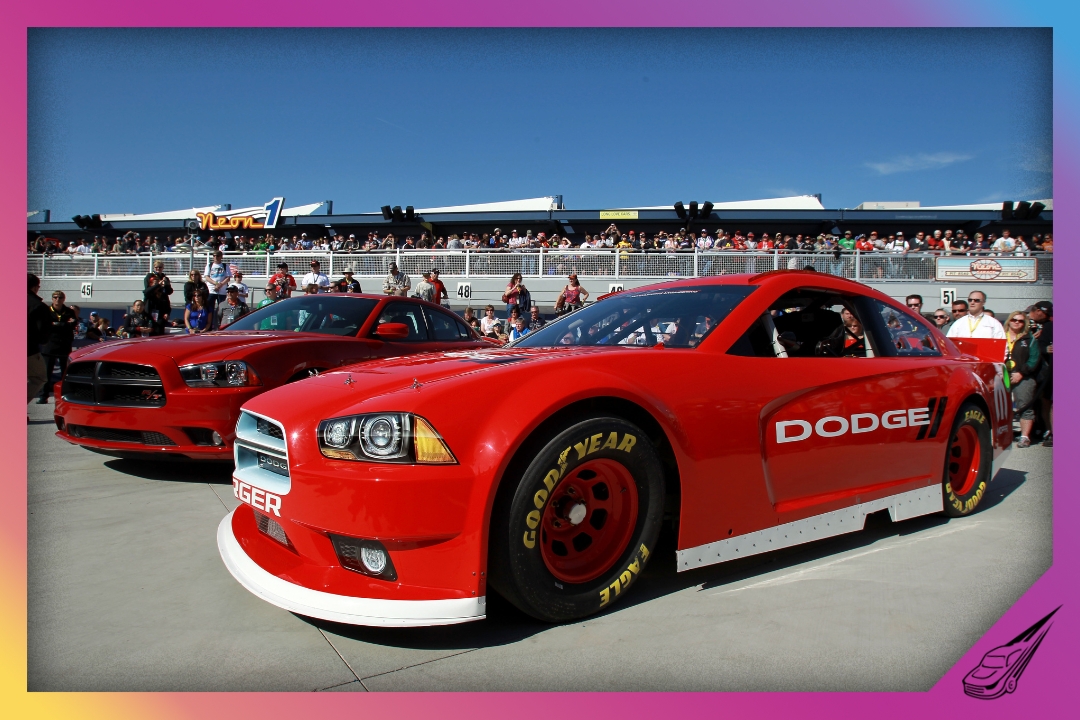
Following months of speculation, Ram announced that they would rejoin the sport after over a decade of inactivity in NASCAR. While the Ram brand is closely tied to Dodge, since leaving the sport in the early 2010s, the brand is now independent of the Dodge brand.
However, their addition to NASCAR has signaled interest from parent company Stellantis in rejoining the sport at its top series in the future, making their return to the NASCAR Craftsman Truck Series similar to their time in the series in the late 1990s, leading to their Cup return in 2001.
What’s Happening? One major storyline to follow during the 2025 and 2026 NASCAR seasons is the ongoing saga of Dodge and…
If you prefer lengthy, wordy names, this change is for you.
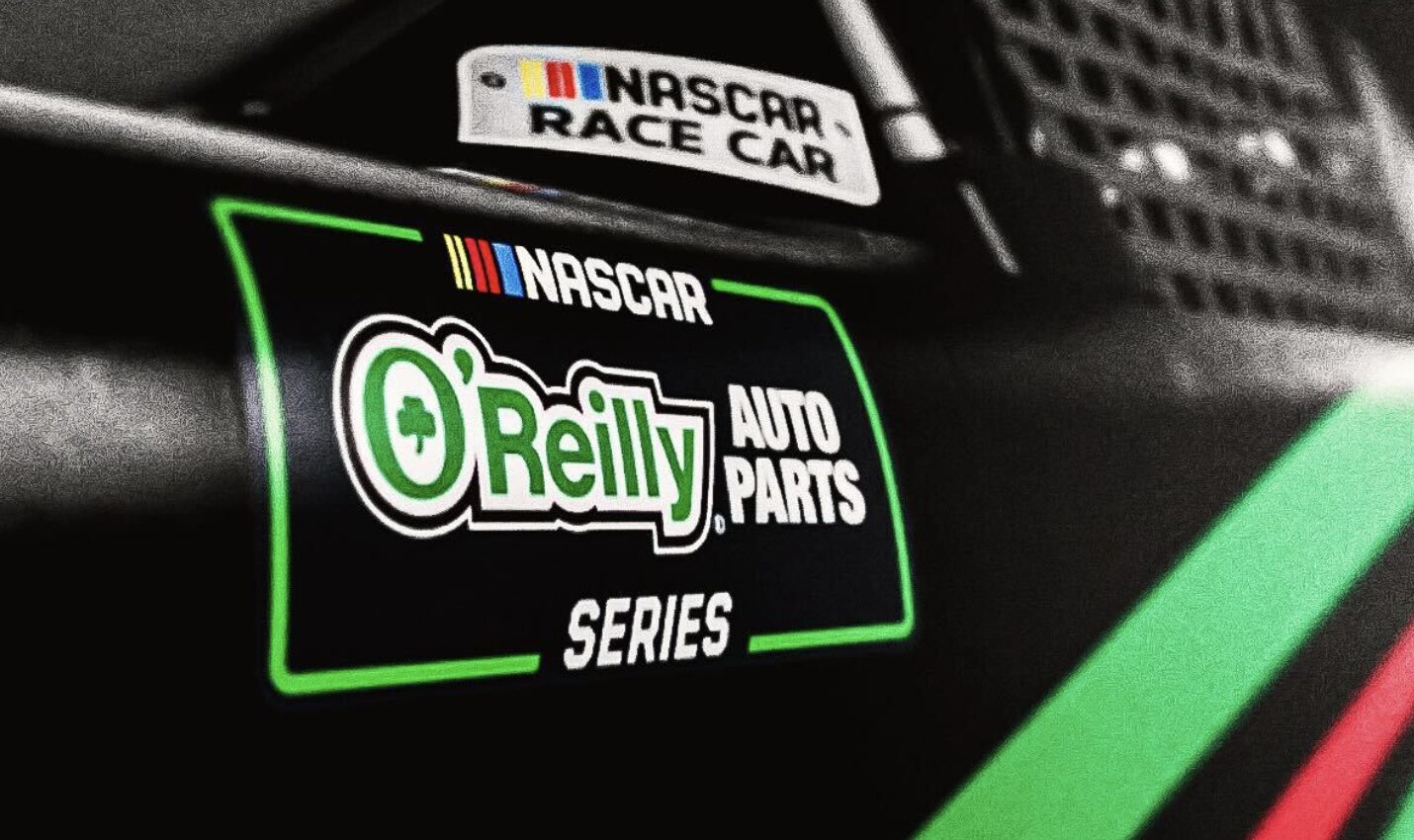
Starting in 2026, NASCAR’s secondary series, formerly known by its title sponsors, Busch, Nationwide, and most recently Xfinity, will no longer be called the NASCAR Xfinity Series.
At the end of 2025, NASCAR‘s deal with Xfinity to be the title sponsor of their secondary national series will be concluded, marking the end of the series 2nd second-longest tenured title sponsor.
In its place, O’Reilly Auto Parts is taking over the title sponsorship of the series. This also includes rebranding of the cars’ purple accents and name banners alongside the traditional series logo.
But, this doesn’t mean that Xfinity is leaving the sport entirely, as the company will maintain a sponsorship role within the sport as a Premier Partner of the NASCAR Cup Series and as the title sponsor of the Xfinity Fastest Lap Award.
What’s Happening? The 2026 NASCAR Season is fast approaching, and teams are setting their lineups for the coming season. This article…
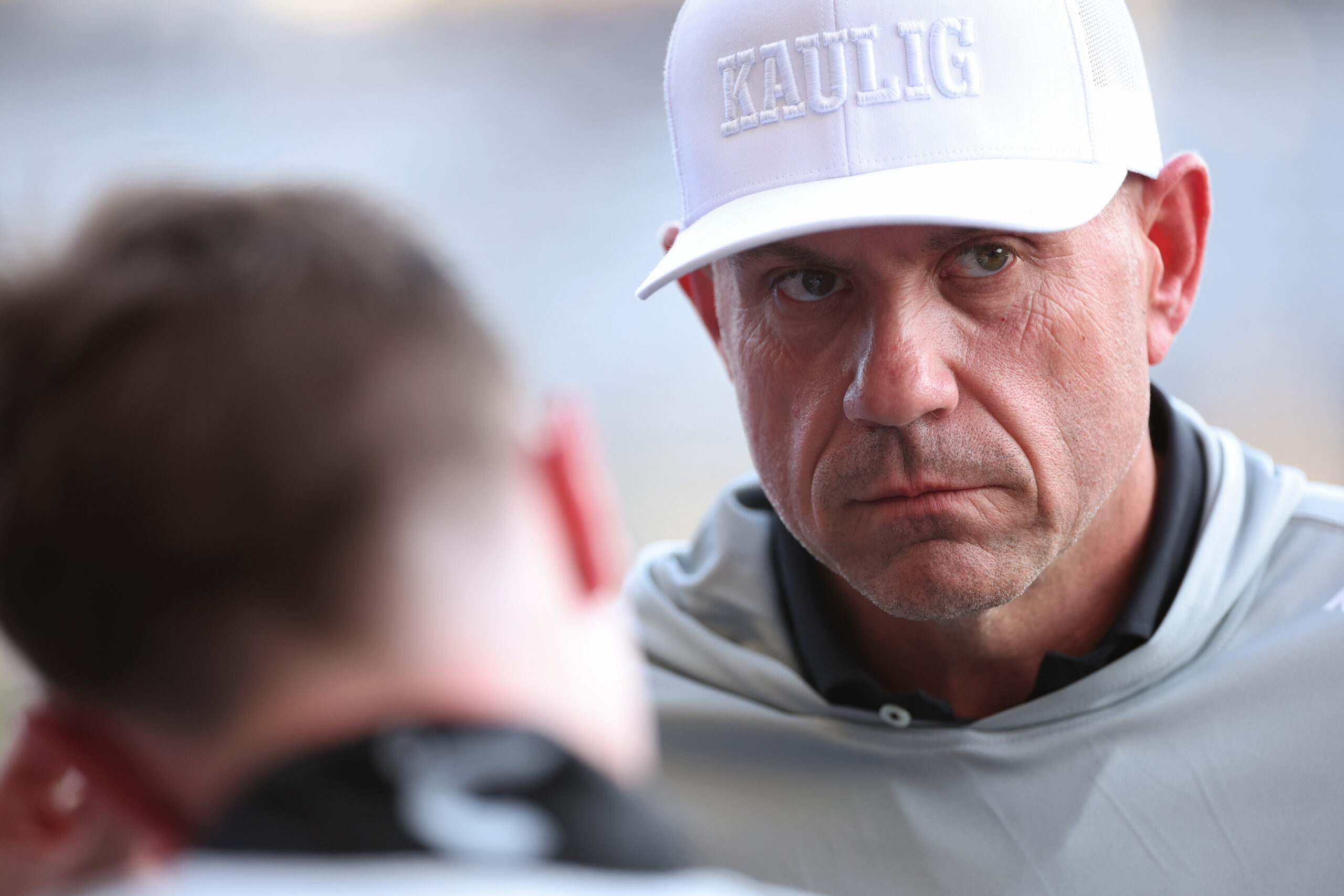
Speaking of changes to the O’Reilly Auto Parts Series, Kaulig Racing will be closing its operation after 10 seasons in the NASCAR secondary series.
Entering the 2024 season, Kaulig looked renewed and refreshed. With new faces like Ty Norris in their front office and Christian Eckes in the driver’s seat, the team re-grouped its O’Reilly Auto Parts and Cup series program after a tough 2024.
However, following a disappointing start in both series, rumors began to circulate that the team might consider another major overhaul ahead of 2026.
This is where Ram comes into the fold, as Kaulig will field five full-time Ram trucks in the 2026 Craftsman Truck Series season. As of presstime, ARCA Menards Series Champion Brenden ‘Butterbean’ Queen is set to drive one of the trucks alongside Daniel Dye and a returning Justin Haley.
Wow, this is the end of an era for Kaulig and its NASCAR O’Reilly Auto Parts series team. This move was made with a long-term mindset, as it could position the team well with Dodge, should the OEM transition to the NASCAR Cup Series in the future.
What’s Happening? In 2026, Kaulig Racing will not field a NASCAR Xfinity Series car, marking the end of a 10-year run…
You may be wondering to yourself, ‘What happened with Justin Haley? Wasn’t he supposed to be a long-term option for Spire Motorsports?’
The chain of events that led to Justin Haley’s ouster from Spire Motorsports and the NASCAR Cup Series as a whole is, in part, thanks to the rise of Connor Zilisch. While Haley had a miserable start to his 2024, Zilisch was setting the world on fire in the NASCAR Xfinity Series.
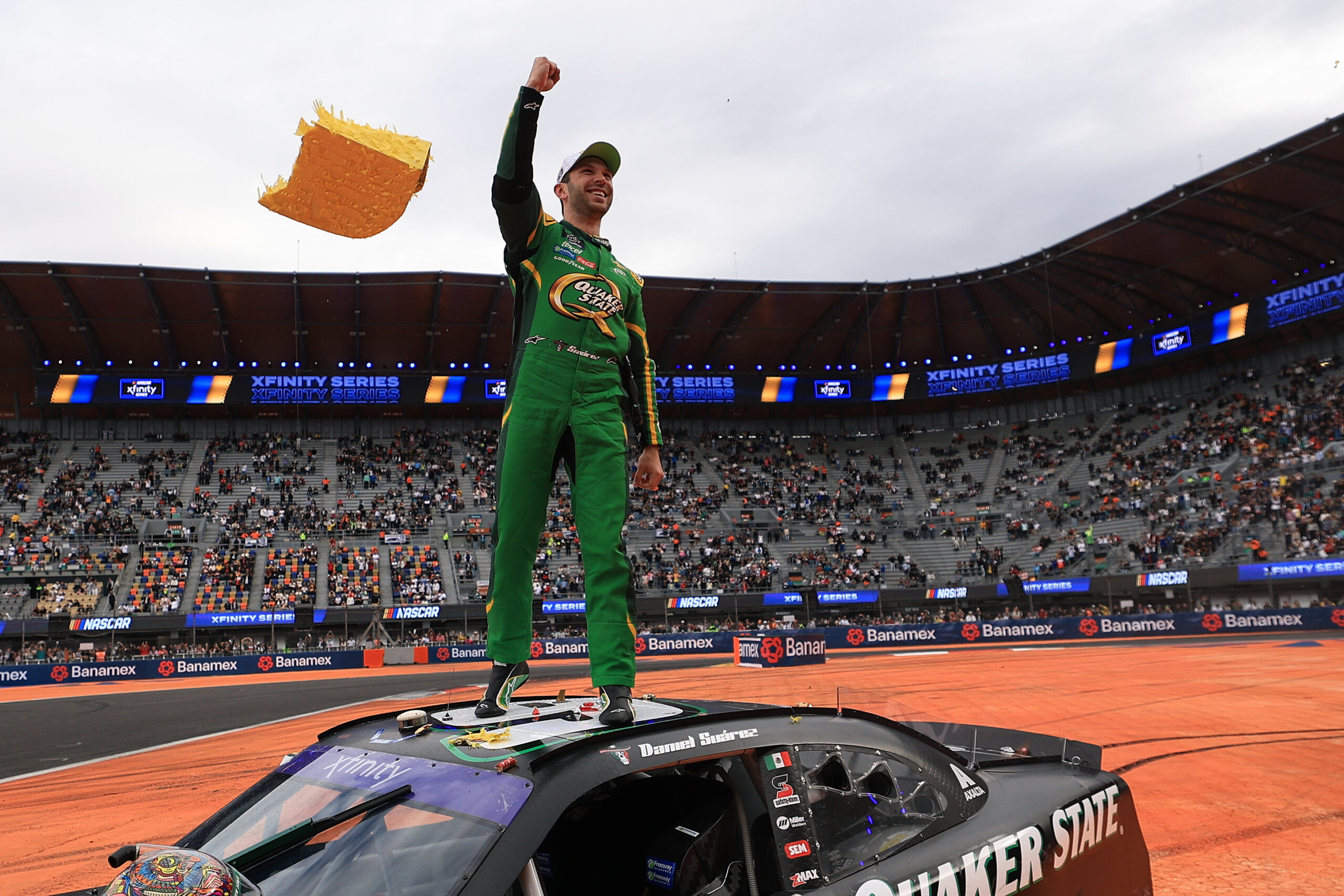
Unable to leave the young driver on the sidelines, halfway through the season, Trackhouse Racing announced that Daniel Suarez would be booted out of his ride for Zilisch’s 2026 rookie season.
Following the tumultuous start to Haley’s year at Spire, rumors quickly surged that not only was Haley on the hot seat, but that Suarez could be the driver Spire wanted for 2026. After a few months of rumors, Spire made this move official two weeks ago, announcing that Suarez would take over the No. 7.
This marks the end of his tenure at Trackhouse Racing, where the team, fielding Suarez, went from a non-charter owning operation to a winning team in the NASCAR Cup Series.
What’s Happening? Spire Motorsports has signed NASCAR Cup Series veteran Daniel Suarez to drive its No. 7 entry during the 2026…
Suarez’s departure from Trackhouse Racing feels like the end of a short period of change in the sport, with old teams leaving, new teams making their way in, and many, many changes to the schedule.
In fact, the 2025 season as a whole felt like the end of this period for NASCAR, which somewhat began with the 2019 announcement that Phoenix Raceway would take over season finale honors for 2020 and beyond. This move was the first time NASCAR had relocated the series finale since 2002, and marked the first of a flurry of changes to the schedule.
At the time, NASCAR officials had no idea what would be in store for them over the next few years, with the COVID-19 pandemic, the delayed introduction of the Next Gen Car, and a quest for the sport to find its identity in the aftermath of the retirements of star drivers from 2015 to 2020.
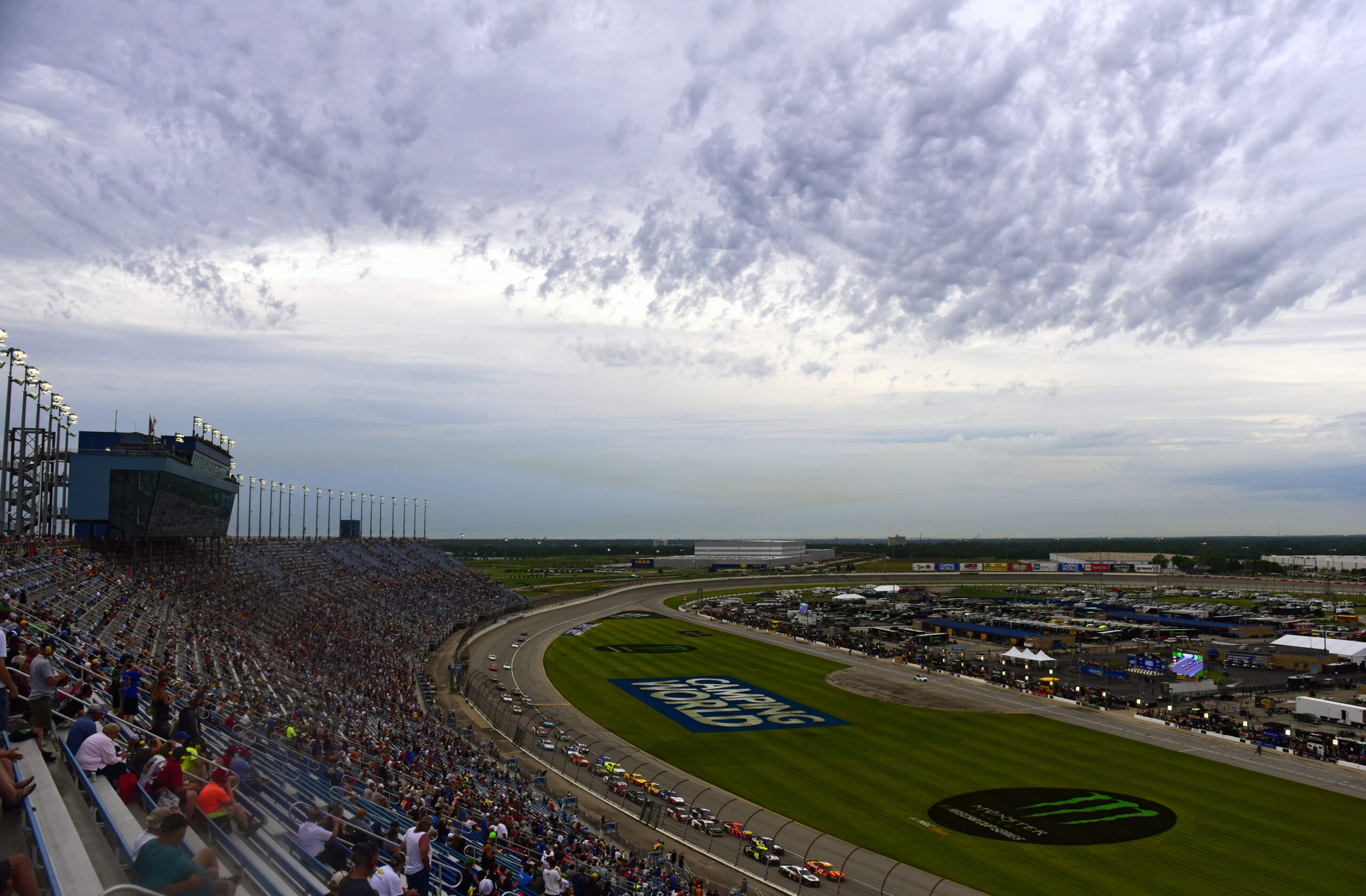
This period is seemingly coming to a close, all sparked by the announcement that the finale, at least for 2026, will be moved back to Homestead-Miami Speedway. Though this is not permanent, for now, it is, in the eyes of many, a step in the right direction to change something that fans have grown tired of.
What’s Happening? The official 2026 NASCAR National Series schedules are out, and there are quite a few notable changes for all…
What do you think about this? Let us know your opinion on Discord or X. Don’t forget that you can also follow us on Instagram, Facebook, and YouTube.