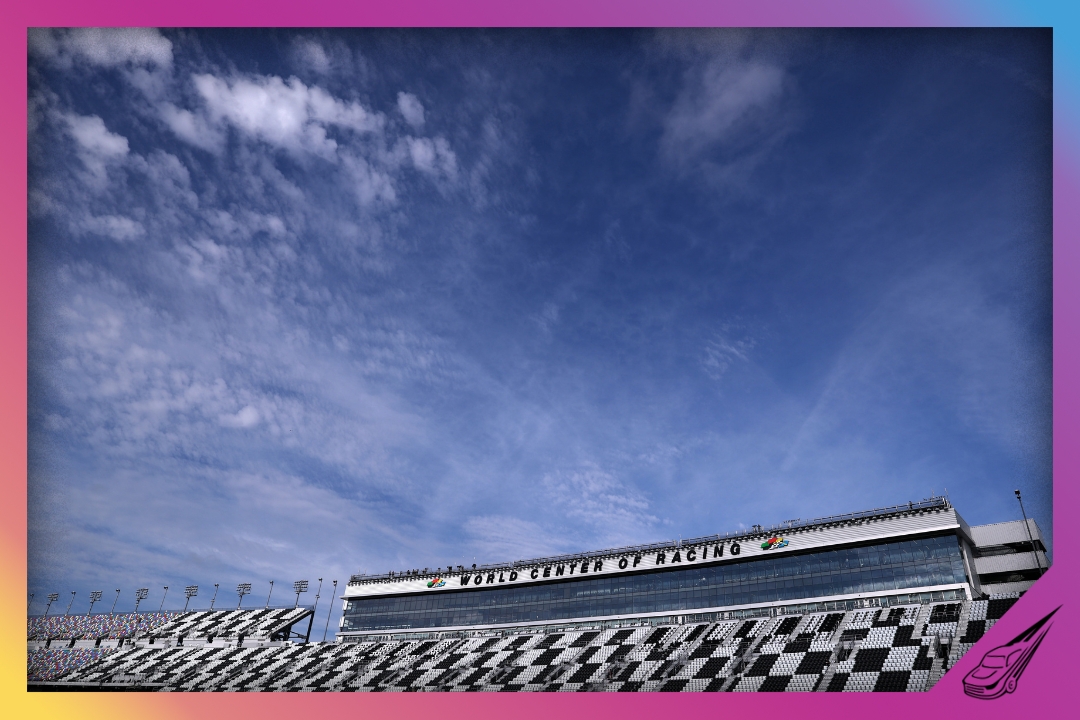
NASCAR Dramatically Overhauls Cup Series Cars Ahead of Daytona Return
What’s Happening? While NASCAR turned its focus to working on the short track racing product of the Next Gen car earlier…


Dale Earnhardt Jr. believes NASCAR deserves credit for continuing to experiment with the Next Gen car instead of accepting the status quo.
Reacting to the sanctioning body’s latest superspeedway package changes, the two-time Daytona 500 winner admitted nobody can say with certainty whether the new setup will produce better racing, but he applauded NASCAR for being willing to take the risk in search of a better on-track product.
Speaking in a video posted to YouTube, Dale Earnhardt Jr. explained that NASCAR’s decision came after months of evaluating data and consulting with drivers and industry figures.
He specifically mentioned that people like Denny Hamlin have been involved in the discussions, helping NASCAR determine the best direction while avoiding expensive new components.
“They’re going off of data and information to figure out some changes to make,” Earnhardt Jr. said. “Listening to Denny talk, it sounds like they’re trying to make some meaningful changes without creating new parts and pieces, or really trying to do it in the most economical way. And I’m excited about it.”
The changes NASCAR announced are among the biggest adjustments to the Next Gen superspeedway package since the car debuted. The first and potentially the only race with this package is the August race at Daytona International Speedway, where the rear spoiler will shrink from seven inches to four inches, matching the intermediate-track package.
Horsepower will also decrease from the current 510-horsepower superspeedway package to approximately 465 horsepower through a revised tapered spacer, while new spoiler braces and a redesigned spoiler deflection device will accompany the update.
Despite the lower drag from the smaller spoiler, NASCAR expects the cars to be roughly three miles per hour faster than the current package.
What’s Happening? While NASCAR turned its focus to working on the short track racing product of the Next Gen car earlier…
The goal behind those changes is to improve passing opportunities. Although Daytona and Talladega continue to produce surprising finishes, drivers have repeatedly criticized the current package for creating races where maintaining track position and saving fuel matter more than actually racing.
The Next Gen car has also made it increasingly difficult for drivers to build momentum and complete passes once the field settles into formation.
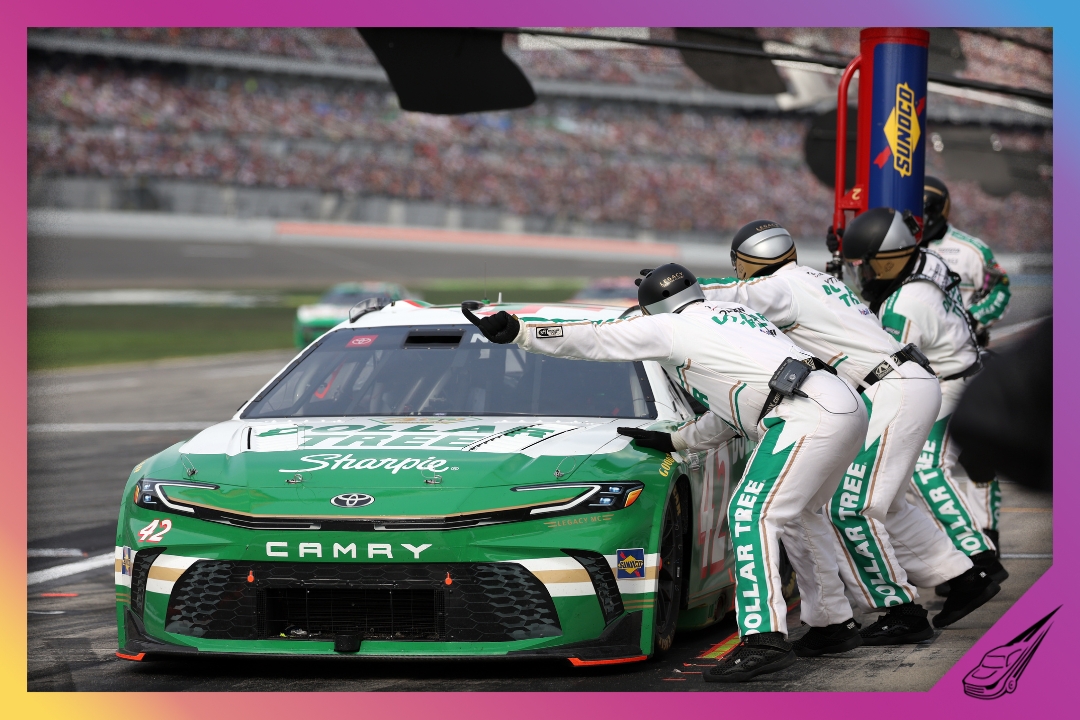
Earnhardt Jr. explained that much of the problem stems from pit-road strategy and not racing itself.
“Right now, with the way the speedway stuff works, you’re saving a lot of fuel because it takes a lot of time to put fuel in the car on pit road,” he said. “The drivers ride around 60% throttle the entire race, saving fuel, saving fuel, saving fuel.”
He pointed out that once a team commits to fuel conservation, everyone else is forced to adopt the same strategy because there is no competitive alternative.
“There’s no way to combat that… really no way to do anything different,” Earnhardt Jr. explained. “You have to do what everyone else is doing.”
According to the NASCAR Hall of Famer, the current pit-stop procedure has completely changed the strategy of superspeedway racing. In previous generations, changing four tires was the longest part of a stop, making fuel less of a concern.
However, with the Next Gen car’s single-center lug reducing tire-change times, fueling has become the slowest part of the stop, prompting teams to spend as little time as possible on pit road.
“You used to have pit stops that putting tires on the car was the toughest part of the job. Fueling happened quicker,” Earnhardt Jr. said. “Now that the tires are on there like that with the one lug, and fueling takes forever, you try not to put fuel in it if you don’t have to.”
Even so, Dale Jr. acknowledged that the latest rule changes probably won’t eliminate fuel-saving altogether. Teams have become too good at maximizing mileage, and he believes that aspect of superspeedway racing is likely here to stay.
What NASCAR hopes to accomplish instead is giving drivers more opportunities to race each other once they are back at full speed.
That uncertainty is exactly why Dale Jr. urged fans to remain patient before rushing to judge the new package.
“I applaud NASCAR,” he said. “I’m a big fan of them taking this risk. It is a risk.”
He admitted the adjustments could ultimately fail to produce the desired result.
“It could produce nothing,” Earnhardt Jr. said. Still, without criticizing NASCAR if the first attempt falls short, Dale Jr. believes the sport deserves the opportunity to continue refining the package.
“We have to have some grace here,” he said. “Applaud NASCAR for what they’re doing. Be excited about what might happen, what could happen.”
While nobody knows exactly how the revised package will perform when it debuts at Daytona, Dale Jr. believes that willingness to keep searching for solutions is what matters most.
“I’m very excited about it,” he concluded. “Can’t wait to see what the drivers can do, what they think, what we can learn, and how we can continue to improve. So, great move, NASCAR.”
What do you think about this? Let us know your opinion on Discord or X. Don’t forget that you can also follow us on Instagram, Facebook, and YouTube.