NASCAR’s Chase is BACK
What’s Happening? In 2026, after a nearly year-long search for a new points system, NASCAR’s three National Series will return to…


In 2026, NASCAR is reverting its Championship Format to a ten-race Chase. While fans are excited about the return of the system, it could hurt some fan-favorite underdog teams’ long-term run. Here’s how.
What’s Happening? In 2026, after a nearly year-long search for a new points system, NASCAR’s three National Series will return to…
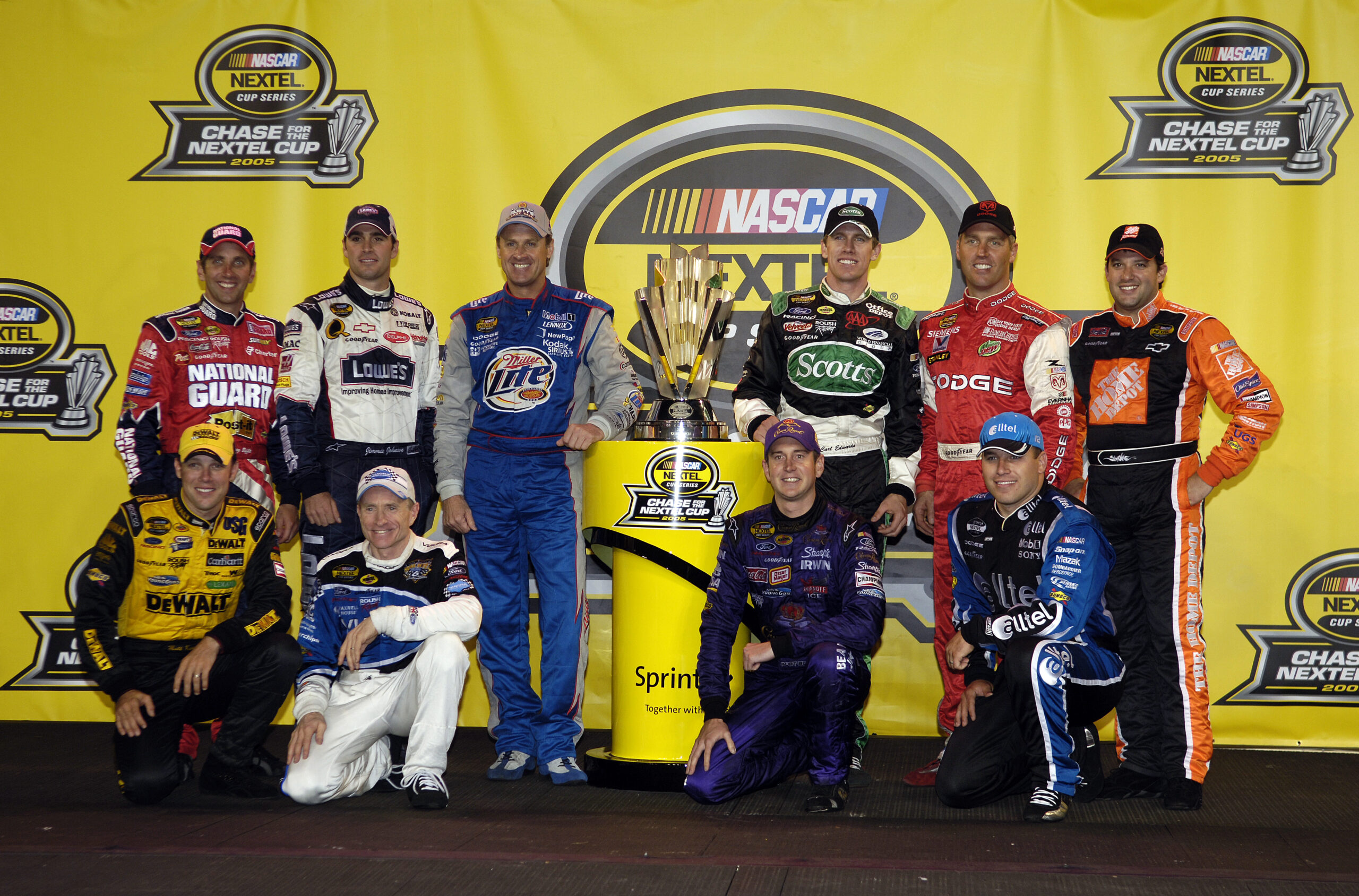
NASCAR introduced its elimination-style playoff format in 2014. This system maintained the ten races used by the original postseason format, or the “Chase” that had been used since 2004, while adding some new elements to spice up NASCAR’s championship.
Among these changes were the inclusion of rounds, four, with three races in each of the first three rounds, the addition of eliminations, with four drivers cut from the expanded 16-driver field after every round, and finally a new winner-take-all finale.
Other aspects would be added as time passed, eventually becoming the basis of the new system.
However, one change reigned above all, the “win and you’re in” stipulation. This rule ensured that any driver in the top 35 of regular-season points who won a race made it into the playoffs.
This rule ensured that Kyle Busch, who missed 11 races with an injury in 2015, made the playoffs and eventually won the championship that season.
While this was a fun twist to the playoffs, the rule itself never sat right with NASCAR fans, who disliked the chaotic nature of the rule. These feelings, specifically, intensified in 2024, when NASCAR eliminated the Top 35 rules.
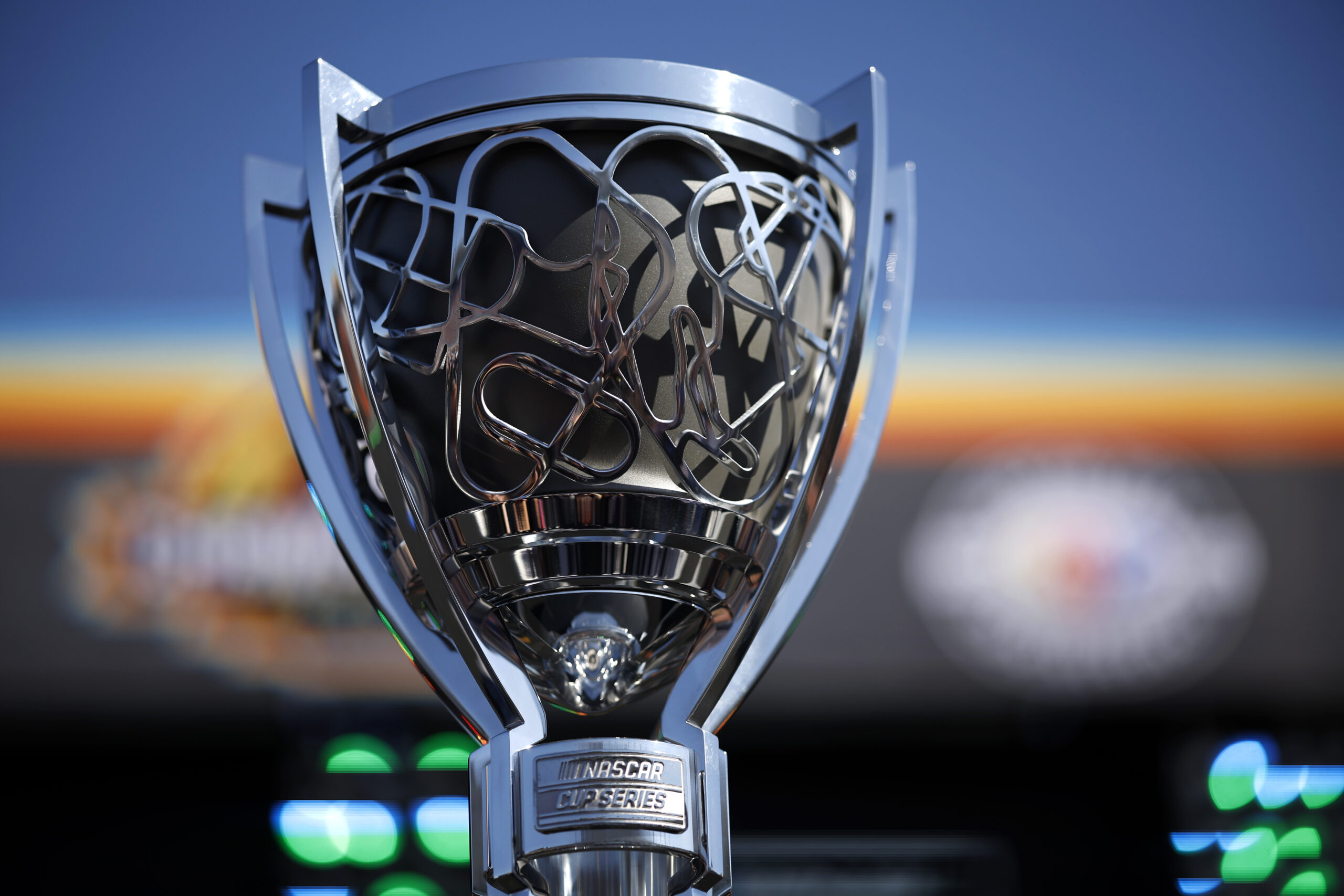
This conversation over wins, eliminations, and rounds, ended on January 12, when NASCAR introduced a traditional Chase system, with no automatic bids, no rounds, and no eliminations.
A large portion of the NASCAR fanbase celebrated this decision, and, in particular, the end of the win and in stipulation.
While fans may have been excited about its expulsion, in a broader aspect, the removal of this stipulation could have a negative effect on the smaller teams in NASCAR’s highest levels.
From 2014 to 2025, many notable underdogs used a win to propel them to playoff status.
Each of the drivers listed above had one thing in common: though they made the playoffs that season, without a win, each of them would have missed out, sitting outside the top 16 in total points earned that season after race 26.
It’s easy to say that these teams need to find consistency, to race with the best, and they need not worry about making the playoffs.
In fact, many fans know that the win-and-in was helpful for teams in ensuring their sponsors a spot on an elevated stage in NASCAR, getting to tell them that with one win, they are part of an elite group with double, even triple, the usual TV time late in the season.
Even then, the point could also be made that they are unaffected by the elimination of the win-and-in, as they still get to race regardless of playoff status, and, under the old system, most underdogs rarely advanced to round two.
But for many of these underdogs and backmarkers, like Front Row Motorsports, Hyak Motorsports, Wood Brothers Racing, or even some underperforming Cup Series teams like Daniel Suarez’s No. 99 in 2024 or Austin Dillon’s No. 3 in 2025, not making the playoffs can come with direct financial consequences.
While drivers fight one another on track for their championship, inside the garage area, race teams had another, slightly overlooked playoff battle of their own.
This was for the owners’ championship, which also followed the playoff system’s nuances, including the win-and-in. With the win and in, teams like those mentioned above have shot up the rankings after 26 races, and a shot at a better payout come year’s end.
For example, entering the 2025 regular season finale, WBR’s No. 21 sat 22nd in owners’ points, while RCR’s No. 3 sat 25th. After the season finale, each shot up to 13th and 15th, and finished the year 16th and 15th in owners’ points.
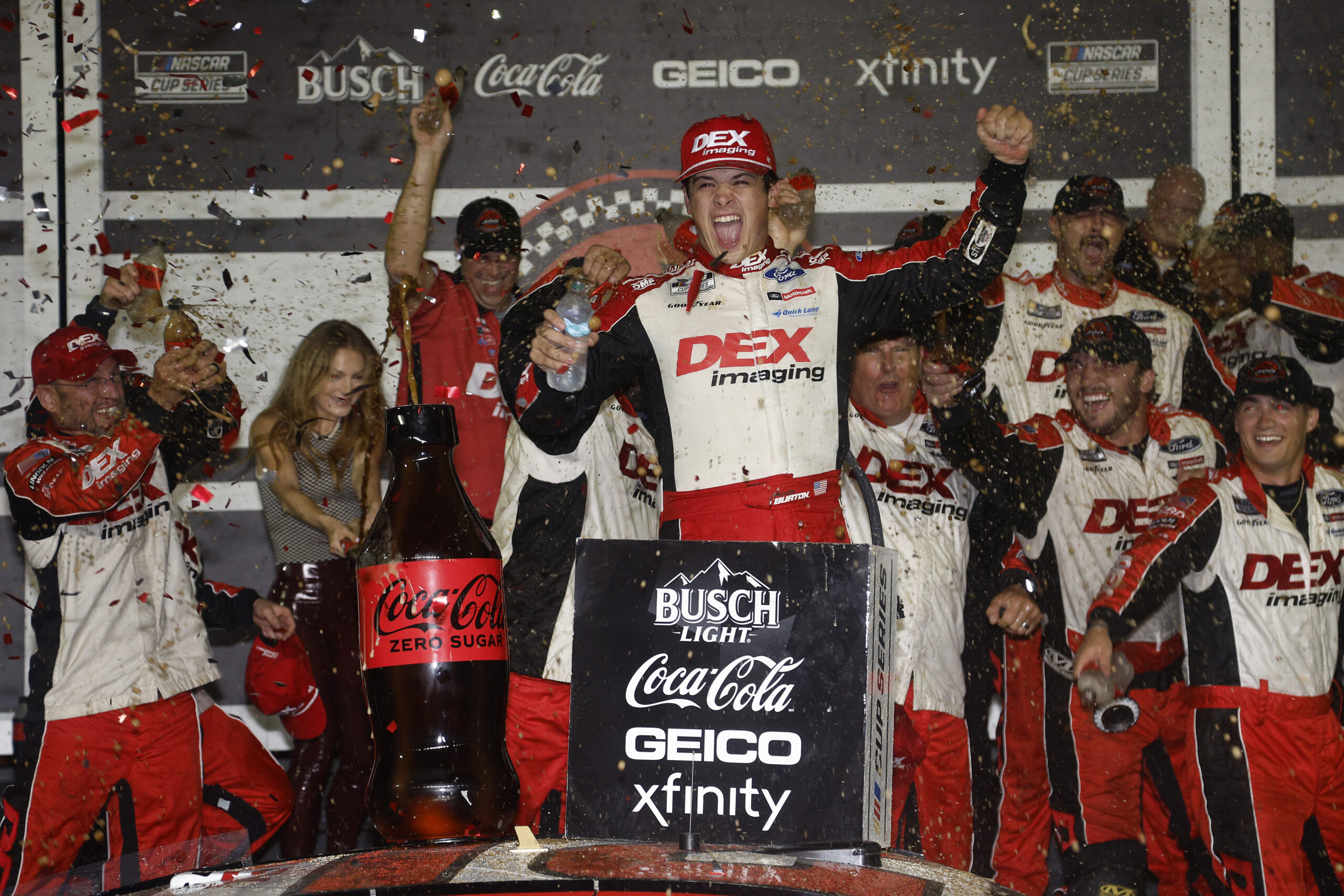
Josh Berry and Austin Dillon’s wins went a long way financially for the teams as well, something that has now happened for WBR in back-to-back seasons, with Harrison Burton scoring another underdog playoff qualifying win for them in the summer of 2024.
As WBR President Jon Wood explained to Dale Earnhardt Jr during an October 2025 episode of The Dale Jr Download, Burton’s regular-season win at Daytona turned things around for the Wood Brothers “overnight.”
“The last two seasons, last year, more than this year we went from making no money in point fund. . . another snap of the finger, turn things around overnight.” — Jon Wood
Wood went on to say that this change all depended on “when you win that race,” saying that winning in the regular season to make the playoffs “totally changes everything.”
Now, with the win and in out of the format, teams will have to make it to one point, something that underdogs struggled to do under the original Chase format.
But, it’s not all doom and gloom, as the new system is fitted with four more spots than any past Chase system, giving drivers who may be specialists, like Shane van Gisbergen, a real shot to make it.
Overall, in the death of the playoffs, while fans and industry members are excited for this new chapter, it is important to remember that the playoffs weren’t all bad, as for some smaller teams, the system could literally change their entire outlook.
What’s Happening? In 2026, NASCAR is returning to a simplified, “Chase” format to crown its three NASCAR National Series Champions. The…
What do you think about this? Let us know your opinion on Discord or X. Don’t forget that you can also follow us on Instagram, Facebook, and YouTube.
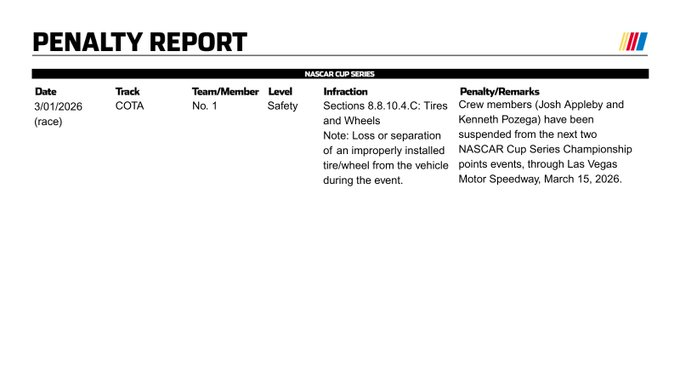
Two NASCAR Cup Series crew members for Ross Chastain’s No. 1 team were suspended following the race at Circuit of the Americas
What do you think about this? Let us know your opinion on Discord or X. Don’t forget that you can also follow us on Instagram, Facebook, and YouTube.
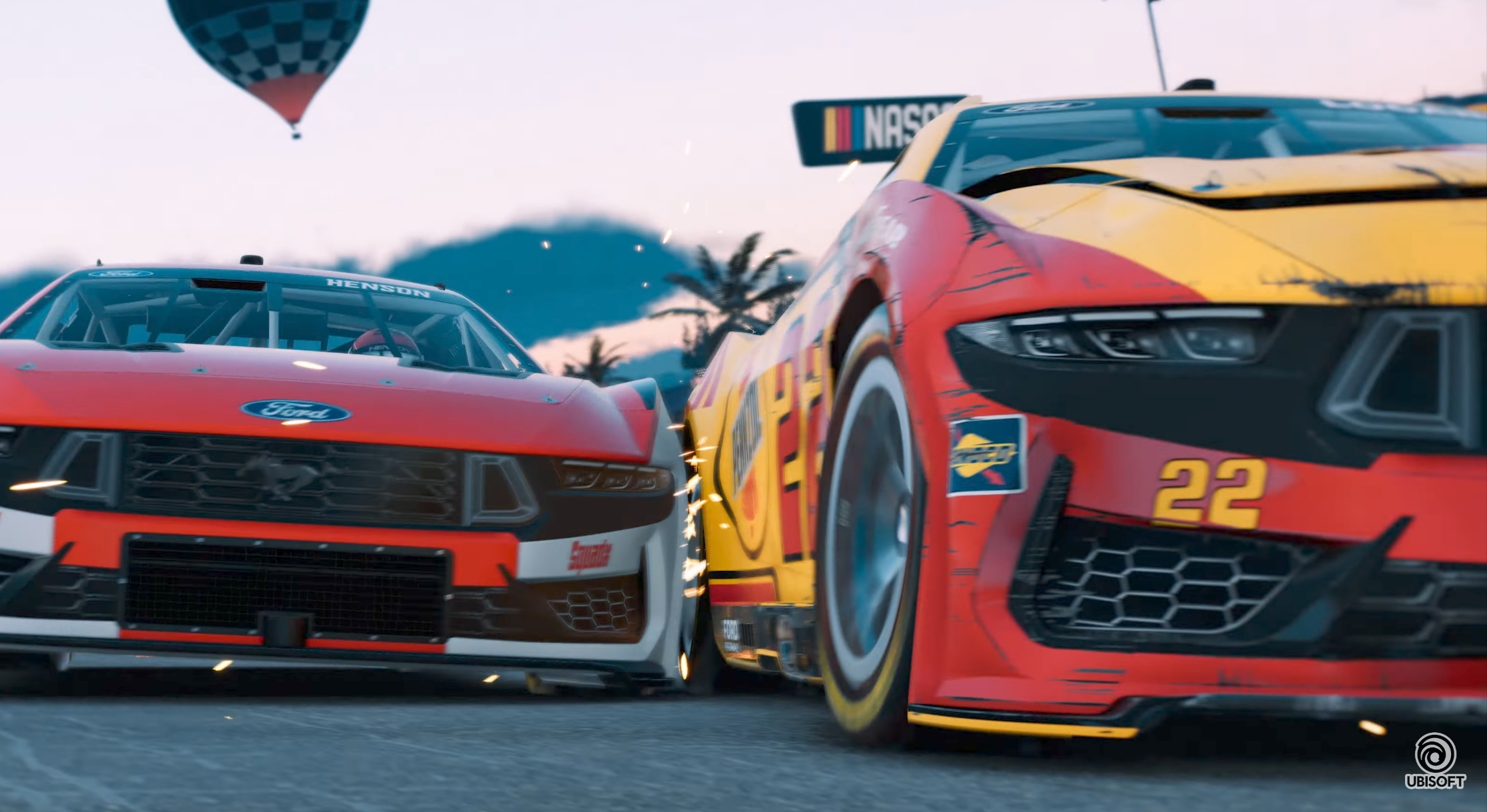
On February 17, Ubisoft released a trailer that confirmed that NASCAR would be included in The Crew Motorfest’s next season update. Details were limited at the time, but in a press release issued today, Ubisoft revealed the full details of the update ahead of its March 4 launch.
Ubisoft says drafting will affect car speed and help save fuel, implying that drafting will be a huge factor in the game, at least with these cars. You can check out this and much more on Ubisoft’s official post linked below
Earlier this Tuesday, the official The Crew Motorfest account clarified confusion around the NASCAR bundles. The Crew Credit (CC) bundles only include cosmetic team liveries, not additional cars. The 3 base Next Gen cars (Ford Mustang Dark Horse, Toyota Camry XSE, and Chevrolet ZL1) are part of the free Season 9 update and can be purchased separately.
Mitch Rasmussen, NASCAR’s Senior Director of Interactive, said in the press release:
We’re excited to bring our iconic brand to life in The Crew Motorfest. This collaboration represents another important step in our strategy to bring NASCAR into the digital spaces and places where next generation fans spend their time, giving players new ways to interact with the culture and communities they love.
The content arrives as part of Year 3 Season 9 and is officially licensed by NASCAR. You can watch the first trailer and learn more in the article linked below
What do you think about this? Let us know your opinion on Discord or X. Don’t forget that you can also follow us on Instagram, Facebook, and YouTube.
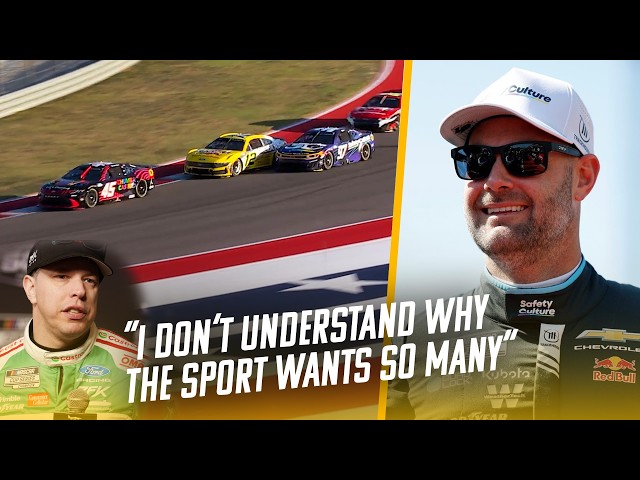
Four road courses on the schedule, and somehow that’s enough to spark one of the biggest debates in the garage. After recent comments from Brad Keselowski questioning the business value of road racing, the conversation has picked up serious steam. Is NASCAR leaning too far into it, or is the current balance about right?
There are valid points on both sides, from sponsorship realities to fan traditions to competitive diversity. Some tracks have gained traction. Others have struggled. The question isn’t just whether road courses belong, but how many make sense within a 36-race season. It’s less about extremes and more about direction. And with future schedule changes always looming, this debate probably isn’t settled anytime soon.
Watch Also: