UPDATE: NASCAR and Teams Settle Antitrust Lawsuit
What’s Happening? 23XI Racing and Front Row Motorsports have settled their antitrust lawsuit filed against NASCAR, bringing this long-running saga to…

Last week, NASCAR settled the antitrust lawsuit filed by charter-owning teams 23XI Racing and Front Row Motorsports. As a result of the settlement, reports are indicating that charter values are rising, but what does this look like, and what could it mean for team ownership in NASCAR?
What’s Happening? 23XI Racing and Front Row Motorsports have settled their antitrust lawsuit filed against NASCAR, bringing this long-running saga to…
Over the past 13 months, through all the debates about point formats, horsepower, and officiating calls, a lawsuit between NASCAR and two of its teams remained at the forefront of fan conversations.
At the core of this lawsuit were charters, something introduced to the sport in 2016 that gave the 15 teams that owned one or more of the sport’s 36 charters automatic entry into NASCAR Cup Series races and a share of TV revenue.
When NASCAR gave these charters to teams in 2016, they did so at no cost to the organizations. Though NASCAR did not profit from charters, the charters became an asset teams could sell (should they close down), far more valuable than equipment or a race shop.
Though these charters operate a lot like franchises, prior to the settling of 23XI and FRM’s lawsuit, they only existed under NASCAR’s permission, meaning that should the sport deem so, they could close down the system at the end of their contractual agreements.
During the latest round of charter negotiations, which lasted from late 2023 to late 2024, NASCAR’s 15 charter owning teams fought to make these charters “permanent,” a goal they would not achieve in negotiations.
Even when 23XI and FRM broke ranks and sued NASCAR, the sport would not yield on making charters permanent.
Furthermore, throughout the nine-day trial that spanned from December 1 to December 11, “permanent” or “Evergreen” charters were a hot topic on the witness stand, with everyone from Richard Childress Racing owner Richard Childress to NASCAR CEO and Chairman Jim France explaining why charters could or could not be valuable.
On day three of the trial, NASCAR Executive Vice President & Chief Strategy Officer Scott Prime speculated that charter permanence would not only bring security to NASCAR’s charter owning teams but could also double the value of those charters.
While both parties held out on settling during the discovery period of the lawsuit and the first week and a half of the trial, if a settlement were reached, most expected it to include some form of permanent charters.
Of course, everything came to an end on December 11, when the two sides came to an agreement on a settlement that would add, among other new provisions, evergreen charters to the 2025 NASCAR Charter agreement.
Per early reports, including one from Adam Stern of Sports Business Journal, NASCAR executives are saying charters will “now at least top $50M in the next valuation,” and some are expecting them to, as claimed in the past by Prime, even double.
So, if teams are seeing an increase in charter value, what would that increase look like on the open market?
What’s Happening? Per its settlement with teams 23XI Racing and Front Row Motorsports, NASCAR will provide the sport’s 15 charter owning…
Thanks to this lawsuit, a form showing the sale price of NASCAR charters is now publicly available, giving fans a good perspective on just how much these charters have increased in value over the past ten seasons.
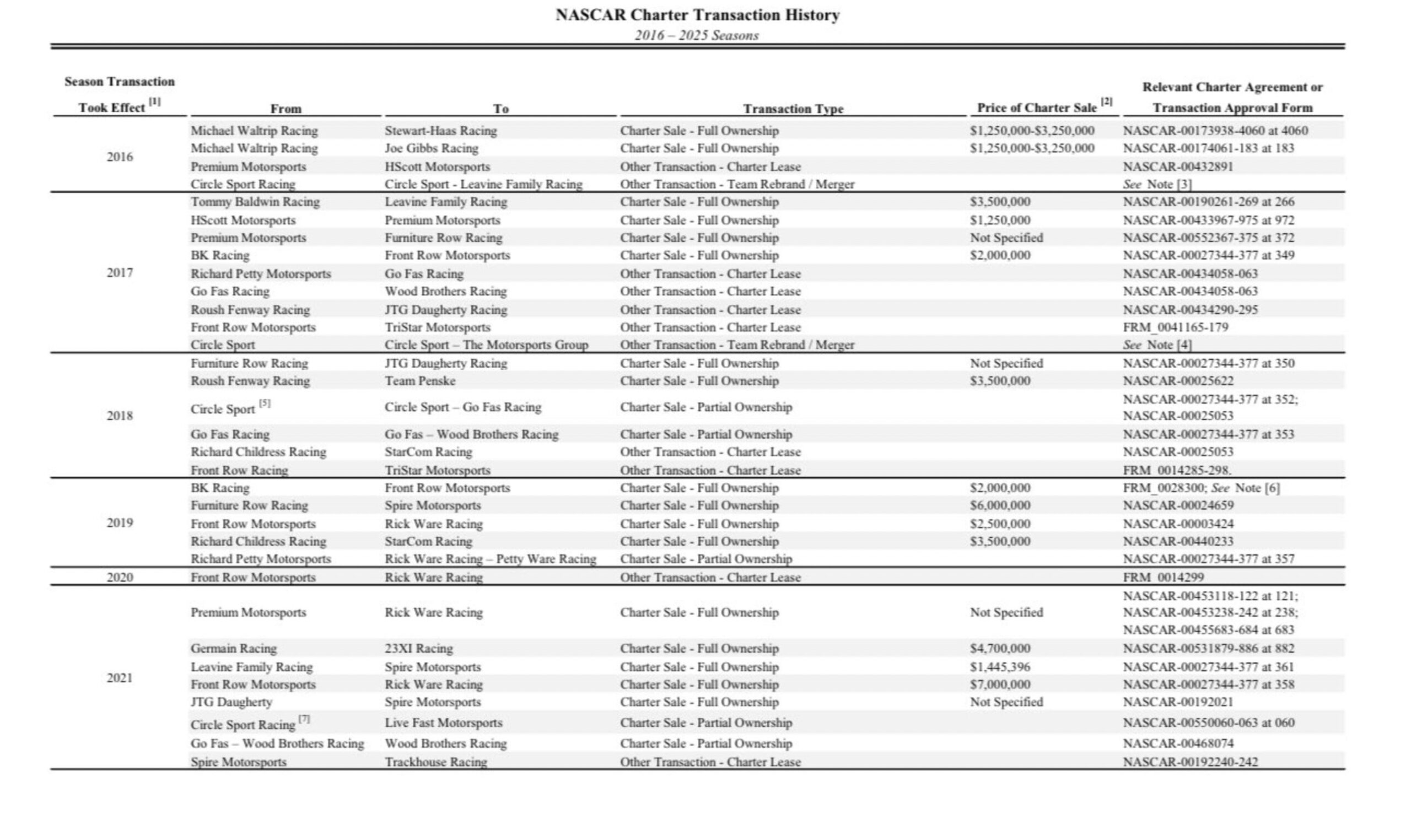
For example, in 2017, H-Scott Motorsports sold a charter to Premium Motorsports for $1,250,000. Just two years later, in 2019, a charter sale broke the $5 million mark when Spire Motorsports purchased Furniture Row Racing’s charter for $6 million.
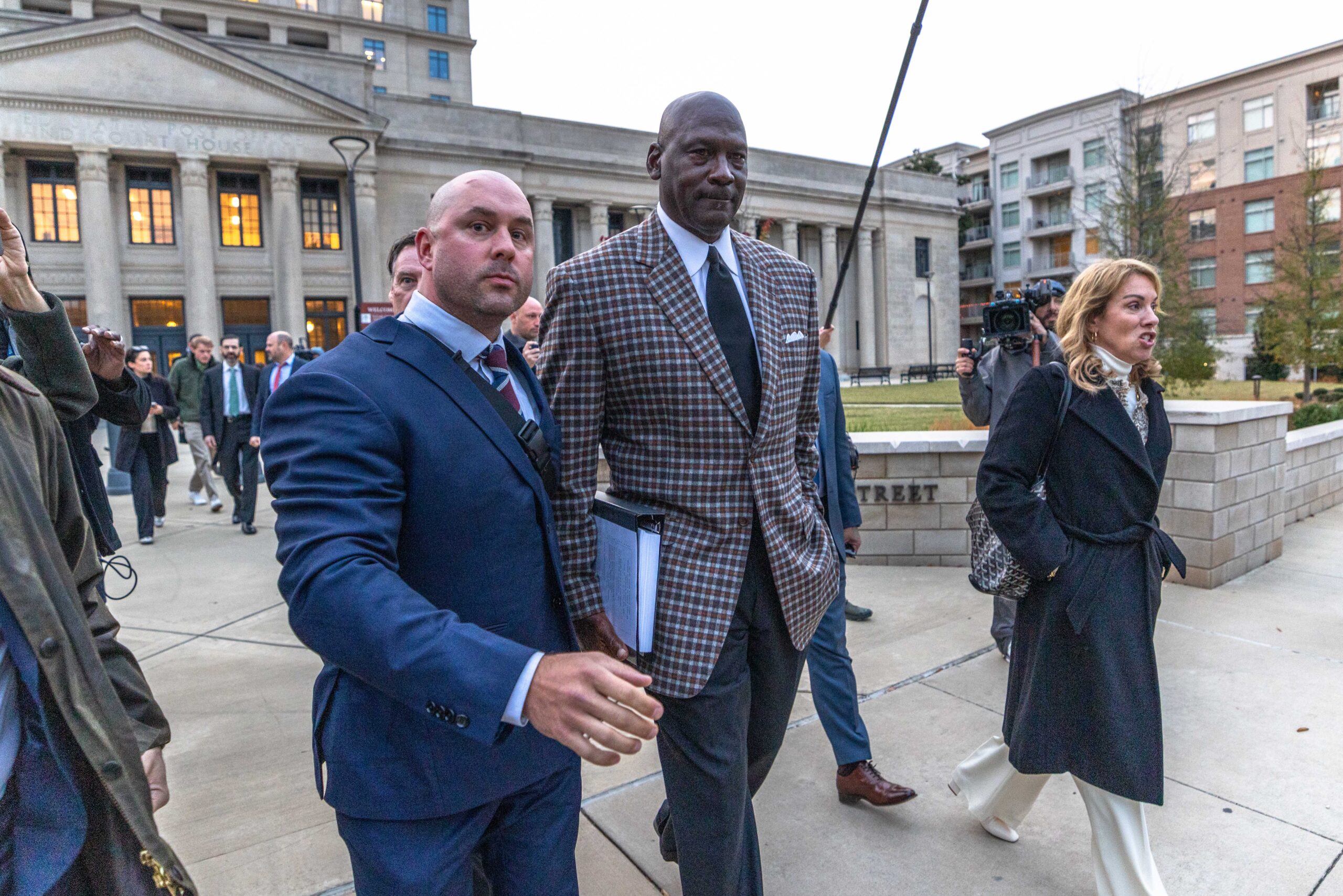
Over the past few seasons, prices have only continued to climb, with Rick Ware Racing buying a charter from Front Row Motorsports for $7 million, and, just last season, 23XI Racing co-owner Michael Jordan paid $28 million for a charter from Stewart-Haas Racing.
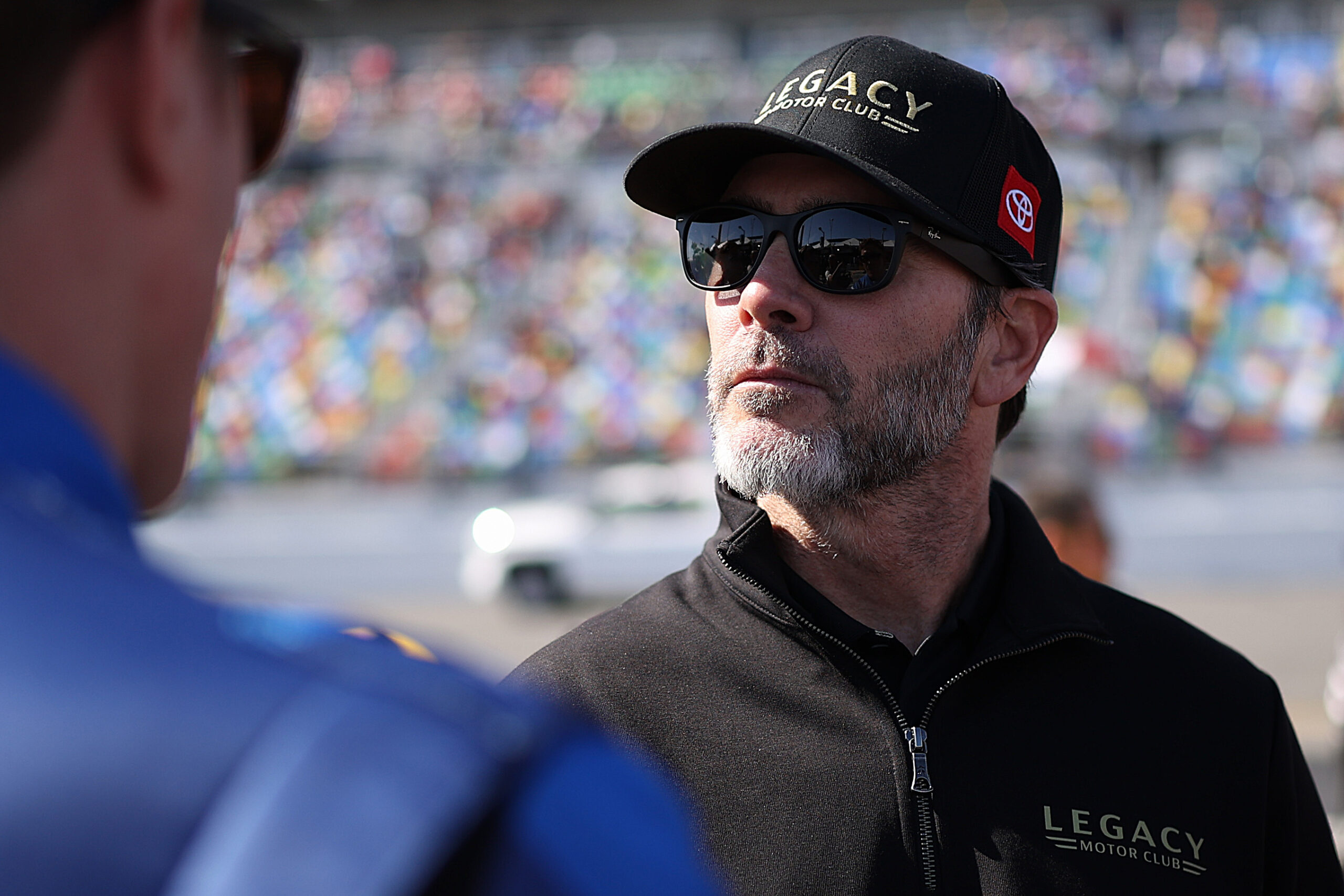
However, the real meat of the matter has been found in the most recent sale, with Legacy Motor Club buying a charter from Rick Ware Racing for a reported $45 million.
What’s Happening? On the latest episode of the Dale Jr Download, a NASCAR insider revealed that Jimmie Johnson’s Legacy Motor Club…
Though this could have changed following a lawsuit between the two parties, this is slightly more than the approximately $40 million purchase that Spire Motorsports made ahead of the 2024 season, which is slightly less than the RWR sale, but much more than the Stewart-Haas fire sale that occurred after this $40 million sale.
Either way, if charter values have doubled, this means that lower-performing charters (performance factors into charter payouts), like the one LMC purchased from RWR, or the one that Spire purchased from Live Fast Racing, could reach the $100 million mark.
What’s Happening? NASCAR Hall of Famer and Seven-Time Champion Jimmie Johnson’s Legacy Motor Club is suing Rick Ware Racing over a…
The potential charter increase is, for the most part, good news for the race teams that already own a charter.
For reference, a team like Joe Gibbs Racing, which consistently fields top-end cars and owns four charters, could have a fleet worth nearly half a billion dollars thanks to the evergreen stipulation.
But this potential increase in value only adds to an already existing issue with the NASCAR Charter system, one that many traditional fans are very critical of.
While teams can start a Truck Series team and be successful from the start, take Spire and FRM, for example, or others can restart their O’Reilly Auto Parts Series team and thrive as Hendrick Motorsports has recently done, this is something more and more impossible in the NASCAR Cup Series.
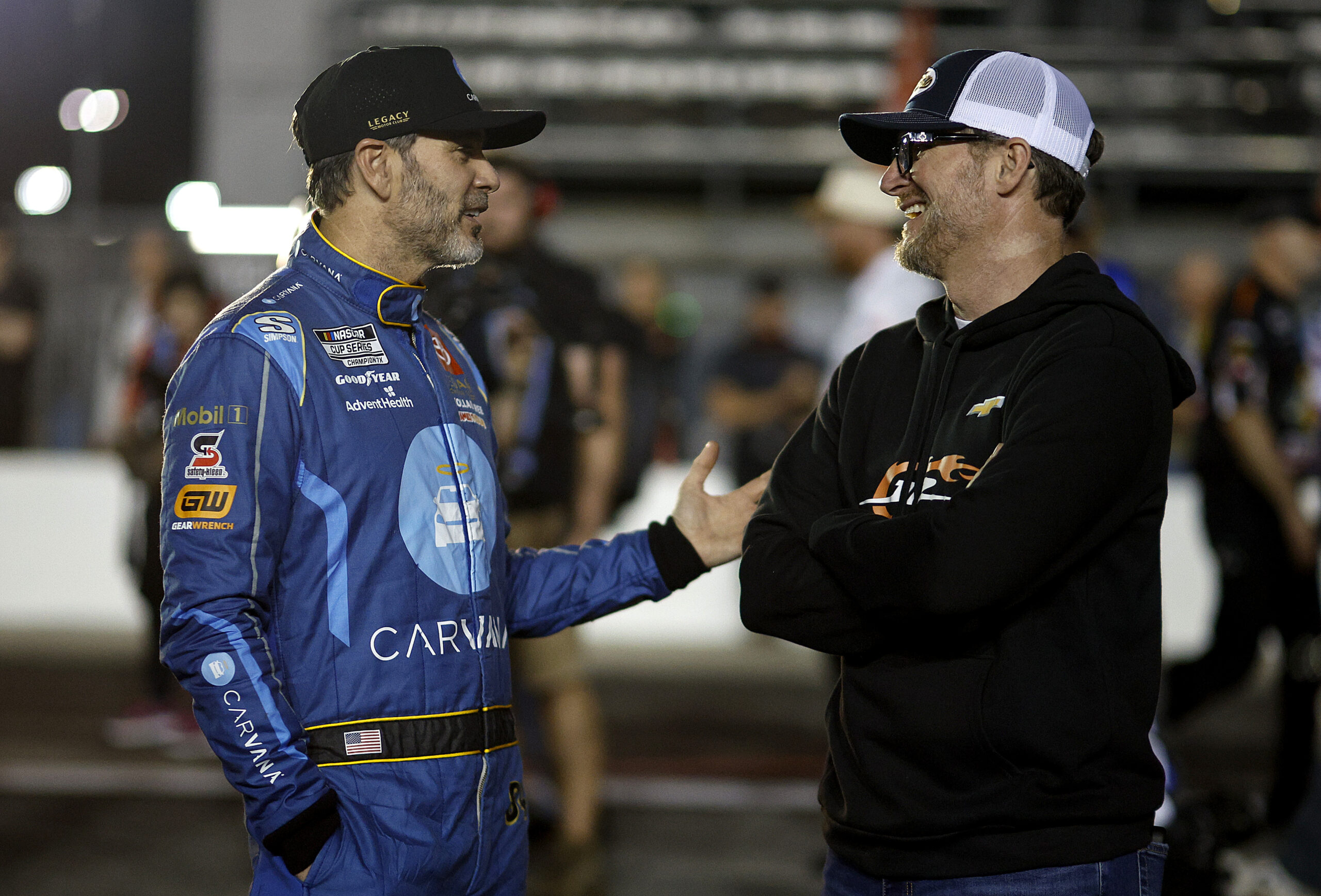
Of course, the one team everyone always thinks of is JR Motorsports, co-owned by Dale Earnhardt Jr, who has flirted with the idea for some time.
In April, just a few months after his team’s first Daytona 500, Earnhardt called charter prices a “very challenging barrier of entry.” Something now even more difficult for him or any individual trying to break into NASCAR’s top level.
Though the early 2020s began a renaissance of new teams, these high prices could create a world where fans see even fewer new teams pop up than in years before.
What’s Happening? On Tuesday, the NASCAR industry learned via the Dale Jr. Download that Legacy Motor Club’s purchase of a Rick…
What do you think about this? Let us know your opinion on Discord or X. Don’t forget that you can also follow us on Instagram, Facebook, and YouTube.