Which New Tracks Could NASCAR Add in 2027?
What’s Happening? NASCAR is reportedly looking at several new venues to add to the 2027 schedule. As exciting as this is,…

The NFL season is over, and that means one thing: it’s time for a refresher on NASCAR’s most unique qualifying format. How does qualifying for the Daytona 500 work, and is there anything new you need to know for 2026?
What’s Happening? NASCAR is reportedly looking at several new venues to add to the 2027 schedule. As exciting as this is,…
As with any NASCAR race, there are three types of entry for the Daytona 500.
First are the charter entries. These 36 drivers race under one of NASCAR’s 36 charters, which work like franchises in other sports. Teams can own up to three charters (one per car), which give them valuable revenue sharing with NASCAR and a guaranteed spot in all points-paying races, including the Daytona 500.
It is worth noting that two teams, Joe Gibbs Racing and Hendrick Motorsports, have four charters, as they could do so under the former terms of NASCAR’s Charter Agreement.
Second are the open entries. These drivers can be from a number of full-time and part-time teams, as teams can still field up to four cars a race. Drivers in an open car must make the field on time in qualifying and finish in a position in their duel race.
2026 Open Entries:
Finally, there are Open Expedition Provisional entries. These drivers are given a spot in the race based on their resume and racing history. OEP drivers do not get money, points, or owners’ points for their finishing position, but are granted the stats and superlatives associated with it, such as a win or top five in the record book.
OEP drivers are somewhat neutral in the field, as any race with an OEP driver keeps the four open spots, meaning the field will be up to 41 drivers should there be 40 entries, including four open entries.
The only OEP driver entered into the 2026 Daytona 500 is seven-time Cup Series Champion Jimmie Johnson and his Legacy Motor Club No. 84.
What’s Happening? NASCAR is reportedly looking at several new venues to add to the 2027 schedule. As exciting as this is,…
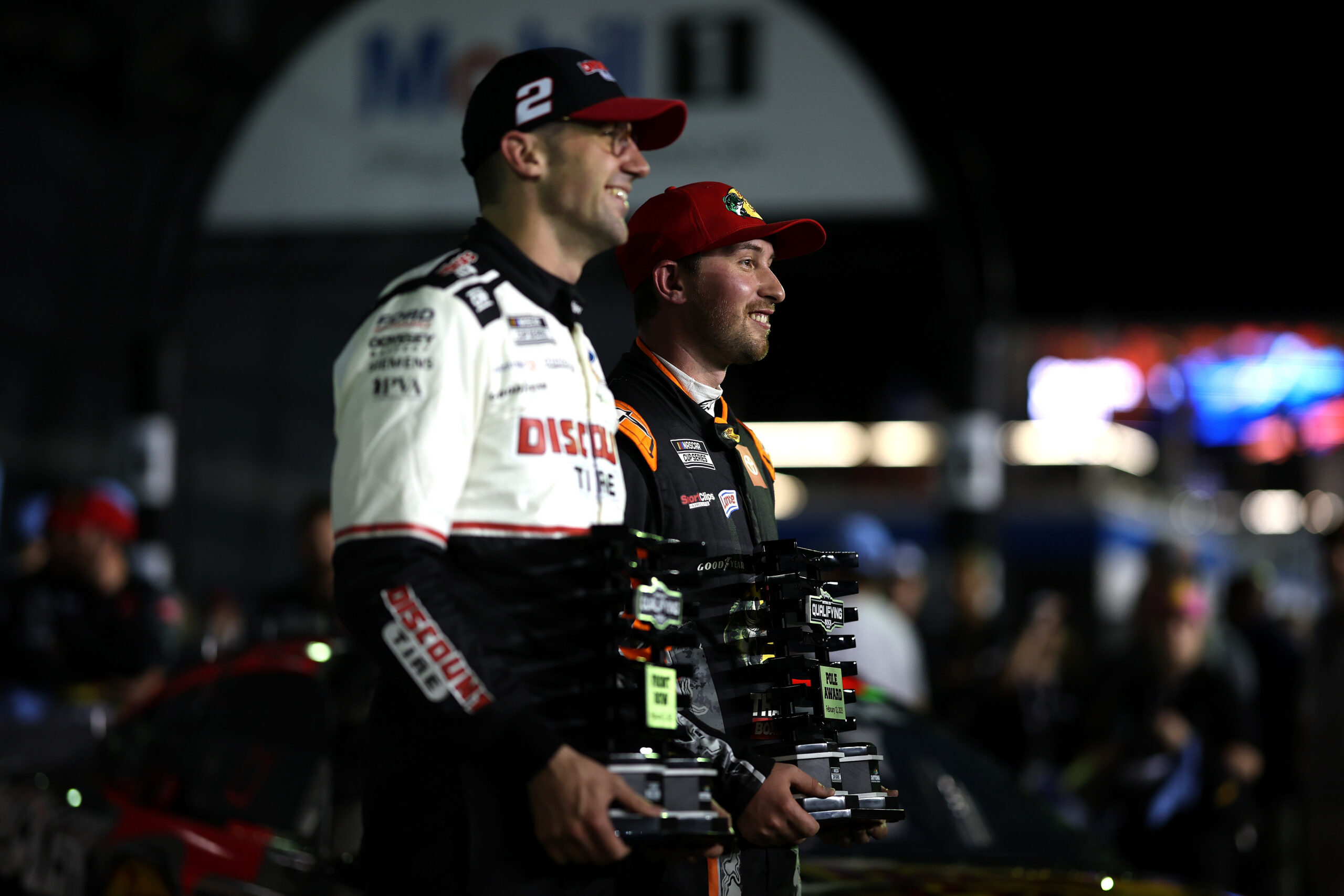
Qualifying for the 500 takes place on Wednesday night and consists of one timed lap around Daytona International Speedway.
However, with all Superspeedway races, there are two rounds of qualifying, with the top ten drivers from the first round moving to an additional round to set the top ten.
While this seems standard, everything changes after the final qualifier of the second round.
The two fastest qualifiers will, no matter what (other than a crash in the duel races), maintain their spots, while the two fastest open cars lock themselves in on speed.
From there, the charter and OEP drivers who qualified in an odd number (1, 3, 5, 7, etc.) race in the first 150-mile duel race, while charter and OEP drivers who qualified in an even number (2, 4, 6, 8, etc.) race in the second 150-mile Duel race.
The open cars are also split, following the same principle, with the fastest, third fastest, and fifth fastest, etc., split from the second, fourth, and sixth, etc. fastest.
The winner of the duel race, given that they are not the pole sitter or second place qualifier, will start either in third or fourth, depending on which duel they are in.
The results of the first duel race will set the inside row (3, 5, 7, etc.) while the results of the second duel race will set the outside row (4, 6, 8, etc.).
All this work is, of course, bearing any major changes or backup cars that might require a drive to be sent to the rear of the field at the start of Sunday’s Daytona 500.
This year, there are two rule changes in effect for this weekend.
Per NASCAR, drivers are no longer allowed to deflect air on their driver’s side window during a qualifying run. Using this method, often highlighted by commentators during qualifying at Superspeedway races, will now result in a loss of Qualifying time.
Finally, there are changes to open car qualifications, with the fastest two open cars in qualifying automatically locking themselves into the 500, no matter their duel finish.
With this change, that means that each duel race will see the highest finishing open car qualify for the 500.
What’s Happening? NASCAR is putting a stop to the popular superspeedway qualifying strategy where drivers deflect air from the driver’s side…
What do you think about this? Let us know your opinion on Discord or X. Don’t forget that you can also follow us on Instagram, Facebook, and YouTube.