

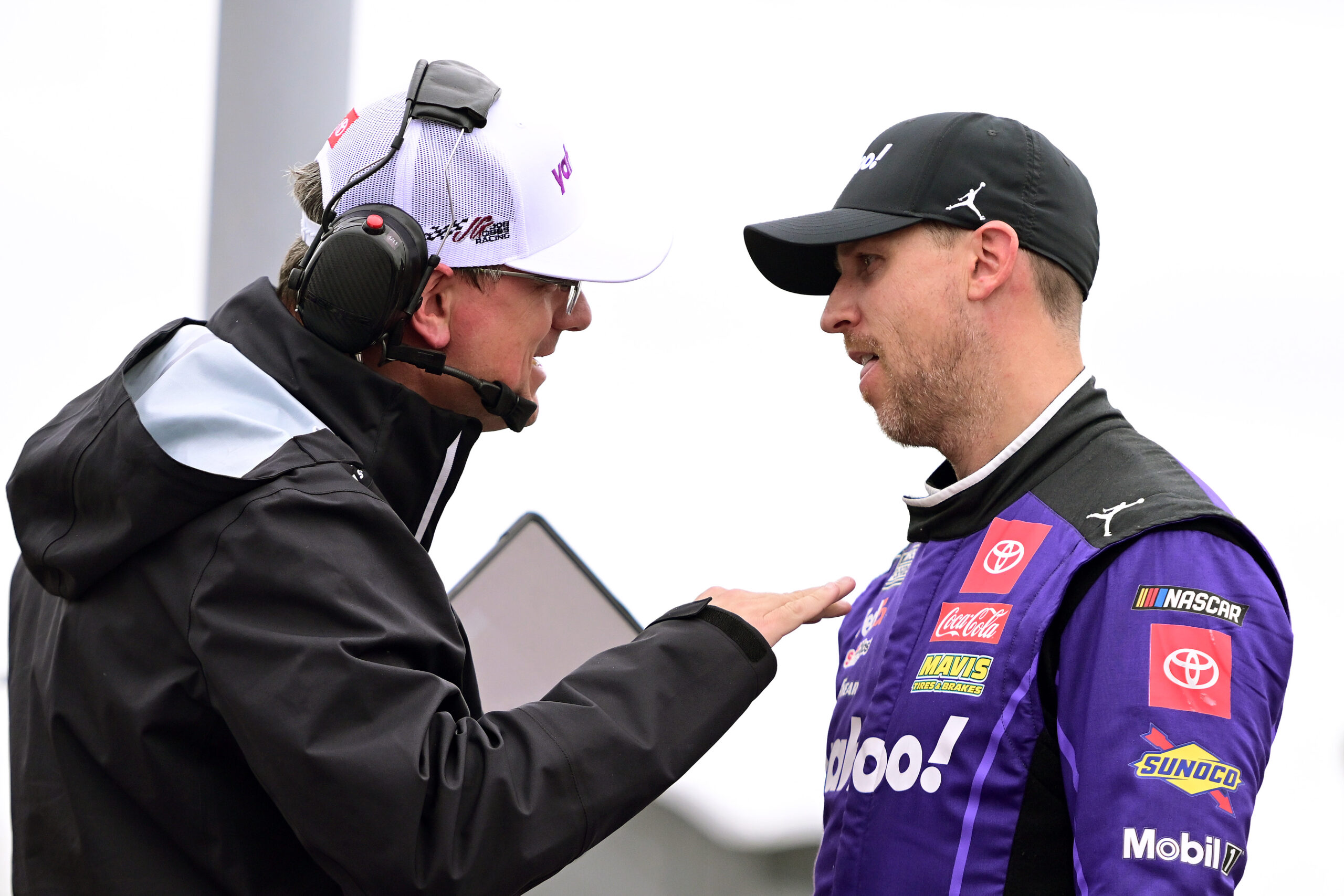
Joe Gibbs Racing alleged that former competition director Chris Gabehart took a wide range of confidential team information regarding competitive performance data, engineering processes, financial records, and internal personnel details. But what exactly do the documents say was taken?
JGR states it is entitled to damages believed to exceed $8 million, potentially subject to enhancement, along with attorneys’ fees. The organization is also seeking multiple forms of relief, expected to exceed that amount, as well as a cease-and-desist order to prevent any use or disclosure of what it describes as trade secrets.
You can learn more about the lawsuit itself, the circumstances surrounding Gabehart’s departure, and the broader allegations in the article linked below
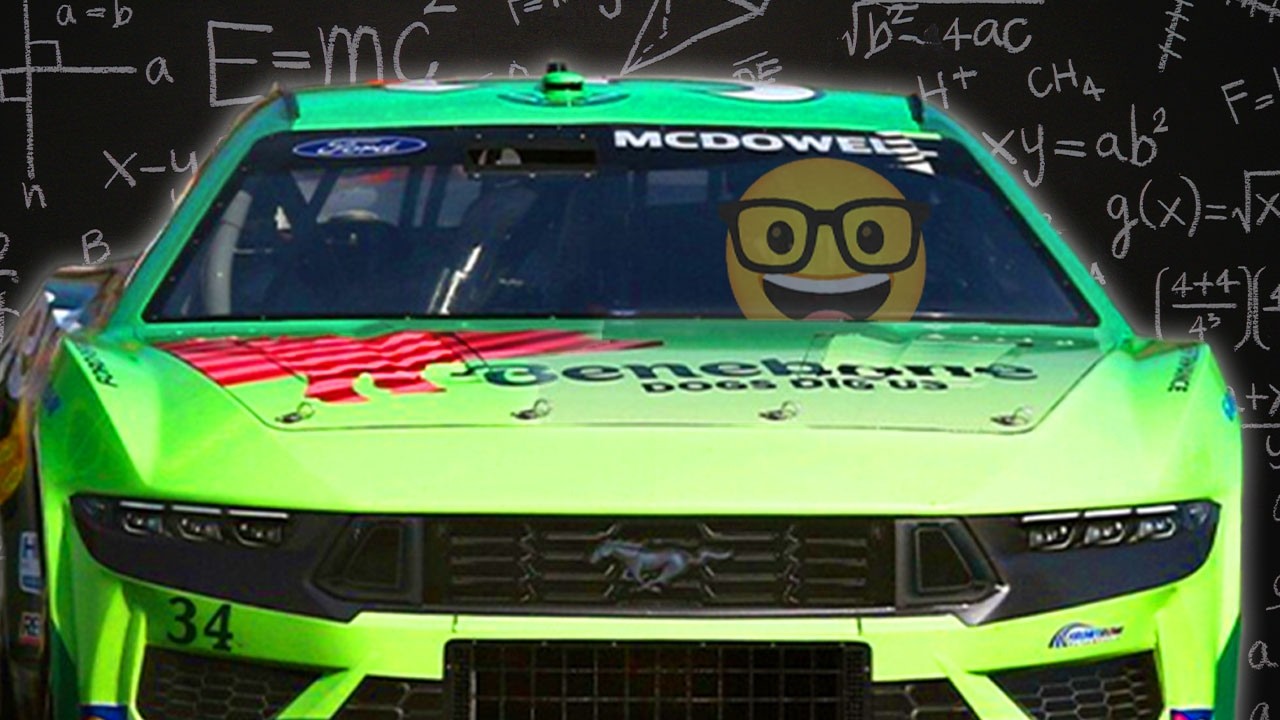
NASCAR isn’t nerdy enough. Not in a cringe way, not in a gimmicky way, but in a way that could quietly and organically grow the sport. After a Daytona weekend filled with spectacle and nostalgia, DJ Yee believes there’s a bigger opportunity sitting right in front of NASCAR, one that doesn’t change the racing at all but could completely change how fans engage with it.
Other leagues have turned analytics into conversation fuel. In baseball, stars like Aaron Judge and Shohei Ohtani aren’t loud personalities, but advanced metrics tell their story anyway. NASCAR, meanwhile, has mountains of telemetry data but shares very little of it in a meaningful way. Throttle traces, brake usage, steering inputs, tire wear models, fuel efficiency ratings, clean air percentages, and even a “positions above replacement” type metric, the possibilities are endless. None of it would intrude on the racing. Casual fans could ignore it. But hardcore fans, creators, and analysts would suddenly have tools to build deeper narratives around drivers and performance.
Watch Also
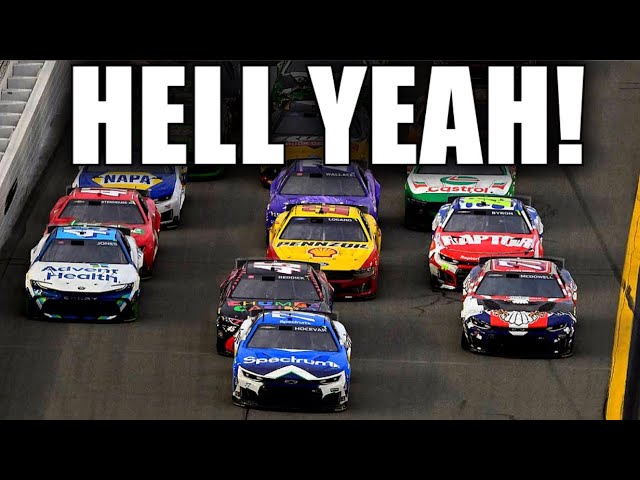
For the first time in a while, it feels like NASCAR fans see a bigger light at the end of the tunnel. The start of 2026 has brought real optimism, from improved racing to sharper marketing, and even an 11 percent bump for the Daytona 500 to 7.5 million viewers. After a rough couple of seasons, that kind of stability matters. The question now is simple, is this momentum real or just a honeymoon phase?
There’s been a noticeable shift. The marketing feels more modern without feeling fake. Broadcasts are embracing energy and meme culture without losing authenticity. Social media efforts are spotlighting drivers and personalities in ways that echo how legends like Dale Earnhardt Jr., Jeff Gordon, and Tony Stewart once drew fans in. NASCAR’s identity has always been edge, personality, and grassroots simplicity, and recent changes feel closer to that core. But none of it matters without patience. Jaret believes the foundation may be stronger right now, but consistency will decide whether this is a spark or a true turning point.
Watch Also